Company News · 21 Oct 2026
Technology, AI and education with Dr Linda: what kind of university is the University of London?
One afternoon’s conversation, and a 190-year-old federal university.

It started with a conversation
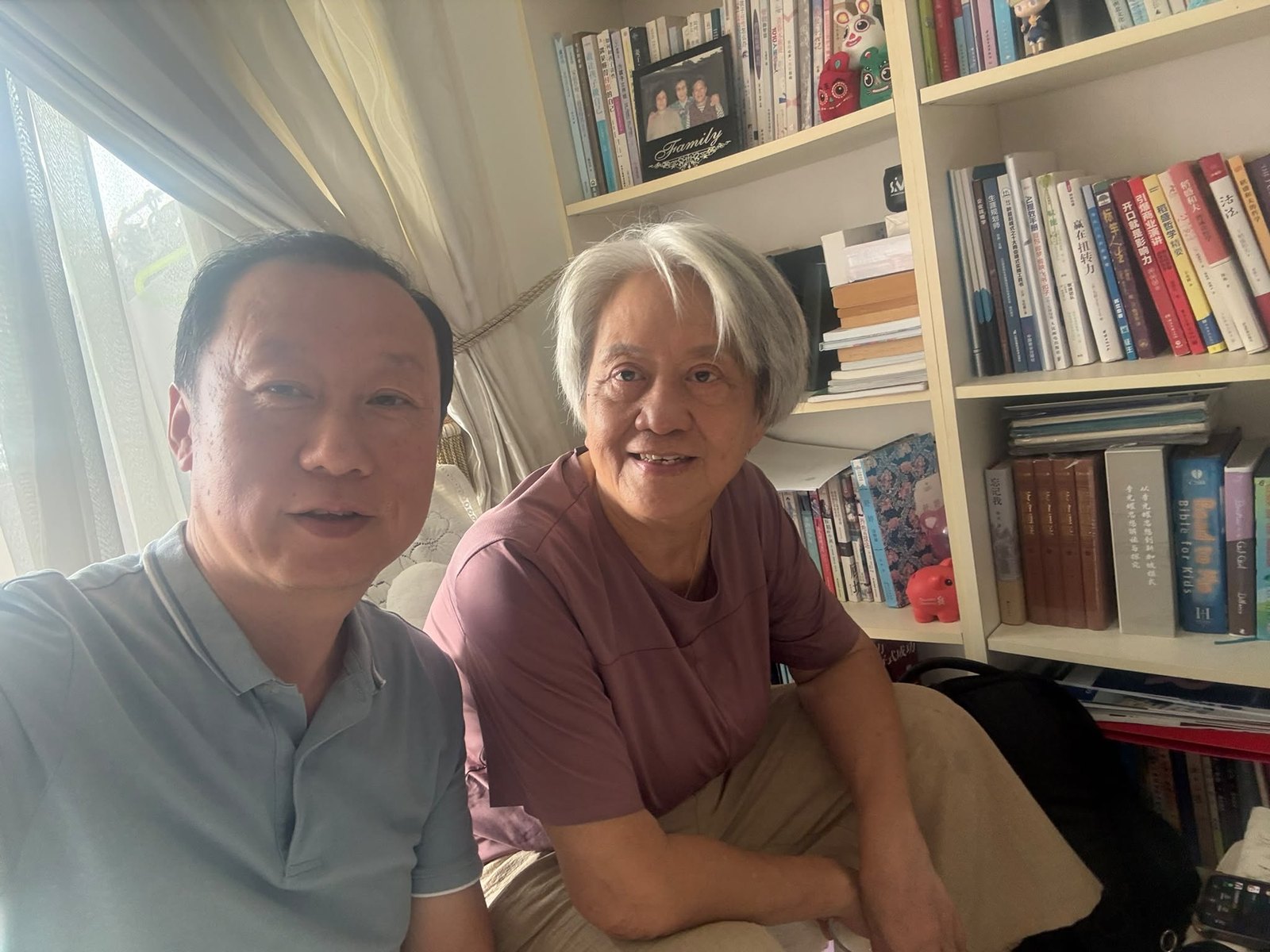
This afternoon I sat down with Dr Linda for a few hours. She is a materials engineering specialist and graduated from Imperial College London. We started from her own field and worked outward — to artificial intelligence, to education, and to where technology may go in the next ten years.
Afterwards I went back and did some homework. One of the questions parents and students ask me most is this: what exactly is the University of London? Why does it look like one university, and also like a group of universities?
One: not a campus, but a family of colleges
The University of London was established by royal charter in 1836, originally as a degree-awarding examination body: the colleges taught, and the university examined and awarded degrees. Over time it grew into a federal university — the university as federation, the colleges as members.
Two: most of the names you know are here
University College London (UCL) was founded in 1826; King’s College London (KCL) in 1829; the London School of Economics (LSE) in 1895. Then SOAS, Queen Mary, Goldsmiths, Royal Holloway, Birkbeck, City — all of them member institutions of the University of London.
Imperial College London was one of them too. It joined the University of London in 1907 and became fully independent in 2007, awarding its own degrees from then on.
Hence a puzzle many people run into: the same engineer may list “Imperial College London” on one CV and “University of London, Imperial College” on another. Both are correct — it depends on the graduation year. Before 2007 the degree was awarded by the University of London; after that, by Imperial itself. When reading a qualification, look two layers deeper: which college, which subject, which year.
Four: why materials engineering and AI share a table
Dr Linda works in materials — the discipline that turns an idea into a physical thing: the energy density of a battery, the yield of a chip, the service life of a coating. AI, meanwhile, turns information into judgement. The two are increasingly inseparable: screening new materials, optimising process parameters and tracing the causes of failure all now involve machine learning.
Five: one thing I took away
After the conversation I thought about the work I am doing: helping elders set down a lifetime of memory, helping companies put scattered information in order. The technology is new; the problem is old — how a person hands experience to whoever comes next.
A university need not be a campus. It can be a network.
Want to talk about qualifications, majors and preparing for the AI era?
Send us your situation and questions — and ask about our AI Agent course (two days, four core modules).