Education · AI · 27 Oct 2026
The Next Leg of Chinese Education
Over one afternoon we talked about the reality of Chinese-language education in Singapore, the operational pressure on tuition centres, and which repetitive work an AI agent can take over in enrolment and student management — and what must stay with people.
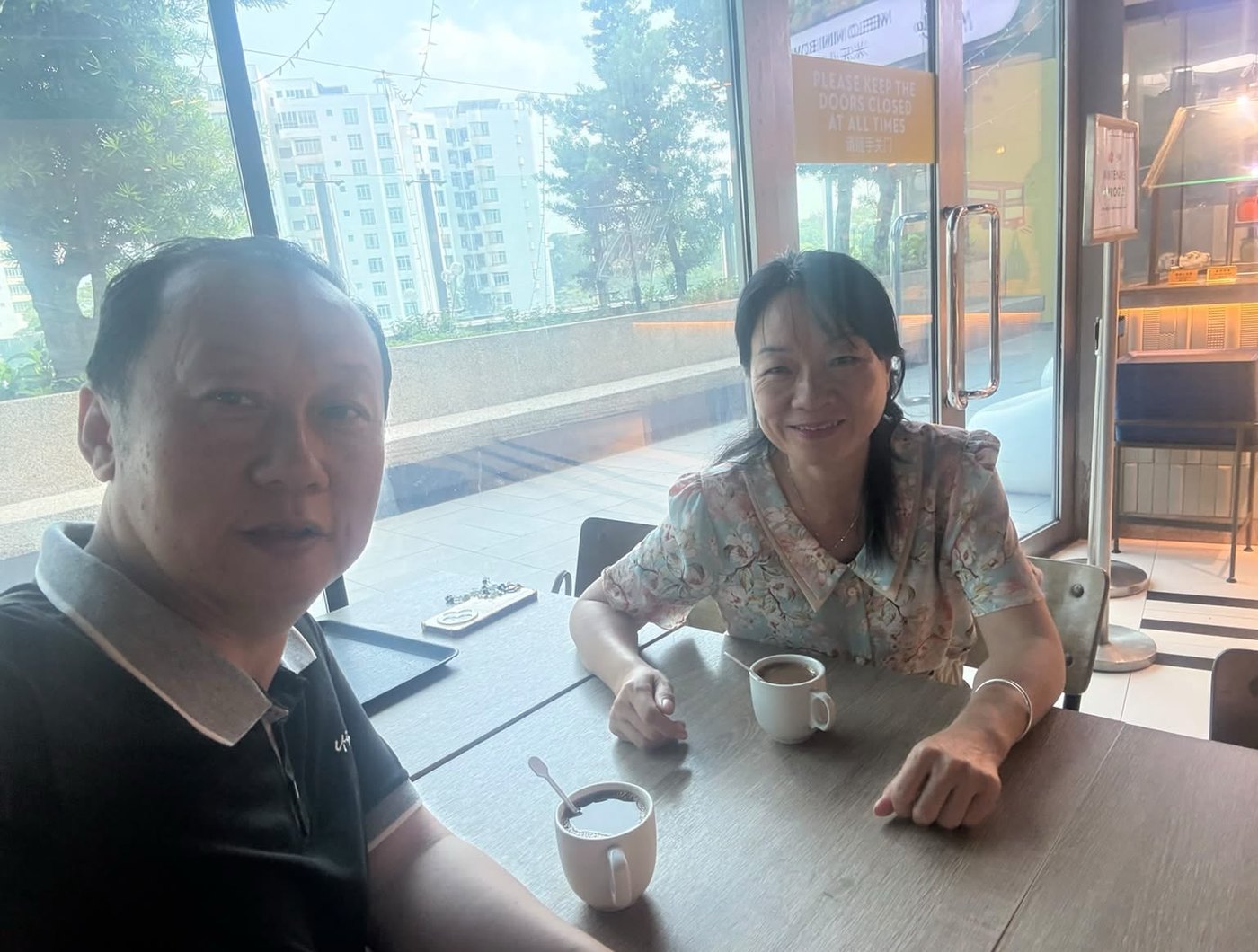
On an October afternoon I met Cici, a Chinese-language educator, at a café in the city. Two black coffees, and the conversation ran from dictation and composition in the classroom to the operations behind a school or tuition centre.
Chinese education in Singapore has its own difficulty. English is the main medium of instruction, curriculum time for Chinese is limited, and more children speak English at home, so feel for the language has to be built in class and after it. Demand for tuition is real — but demand does not make running a centre easy.
What eats a teacher's time is rarely the lesson itself: it is finding materials, marking, replying to parents, chasing students who have not submitted work, tracking attendance, and answering the same enrolment questions a hundred times. In a centre with a few hundred students, that pushes lesson planning late into the night.
What we discussed longest was which parts an AI agent can take over. Not a chat window, but an assistant that can run a process: when a parent asks about a course, a time slot or fees, it answers the common questions and books a trial lesson, passing judgement calls to a person; enrolment, attendance, homework and test scores are collected automatically, and a weekly report for each child is drafted on the weekend; practice sets and model essays are drafted to the class level, and the teacher edits them.
For the owner, the view is different: which class is nearly full, who has missed two weeks, where the renewal rate is slipping — signals that used to be buried in spreadsheets now surface on their own.
The boundaries need drawing too. Chinese is not only knowledge points; it carries feel, tact and cultural warmth that AI cannot supply. AI can take a first pass at a composition, but the grade and the comment still need a teacher's signature. Student data falls under Singapore's PDPA and must not be handed to an unknown model.
Technology takes over the repetitive part. The time saved lets a teacher mark one more essay and talk to one more child. The hard part of Chinese education was never efficiency — it is giving someone a reason to keep learning. That still depends on people.
Want to talk about AI in schools?
Singapore Global International advises schools and education providers on putting AI to work — consulting, courses and builds.