Education · School visit
Wuxi Foreign Language School at St Francis
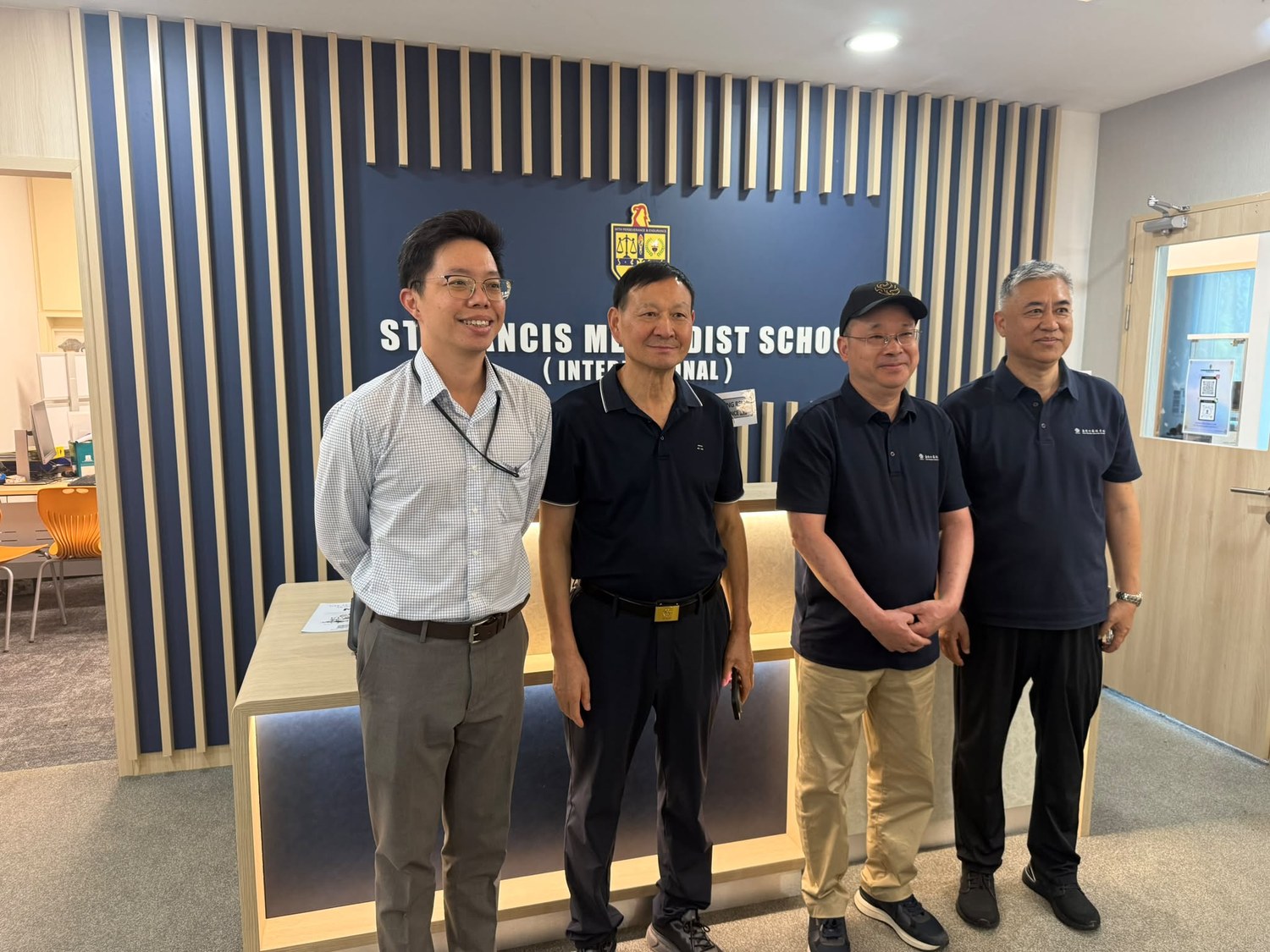
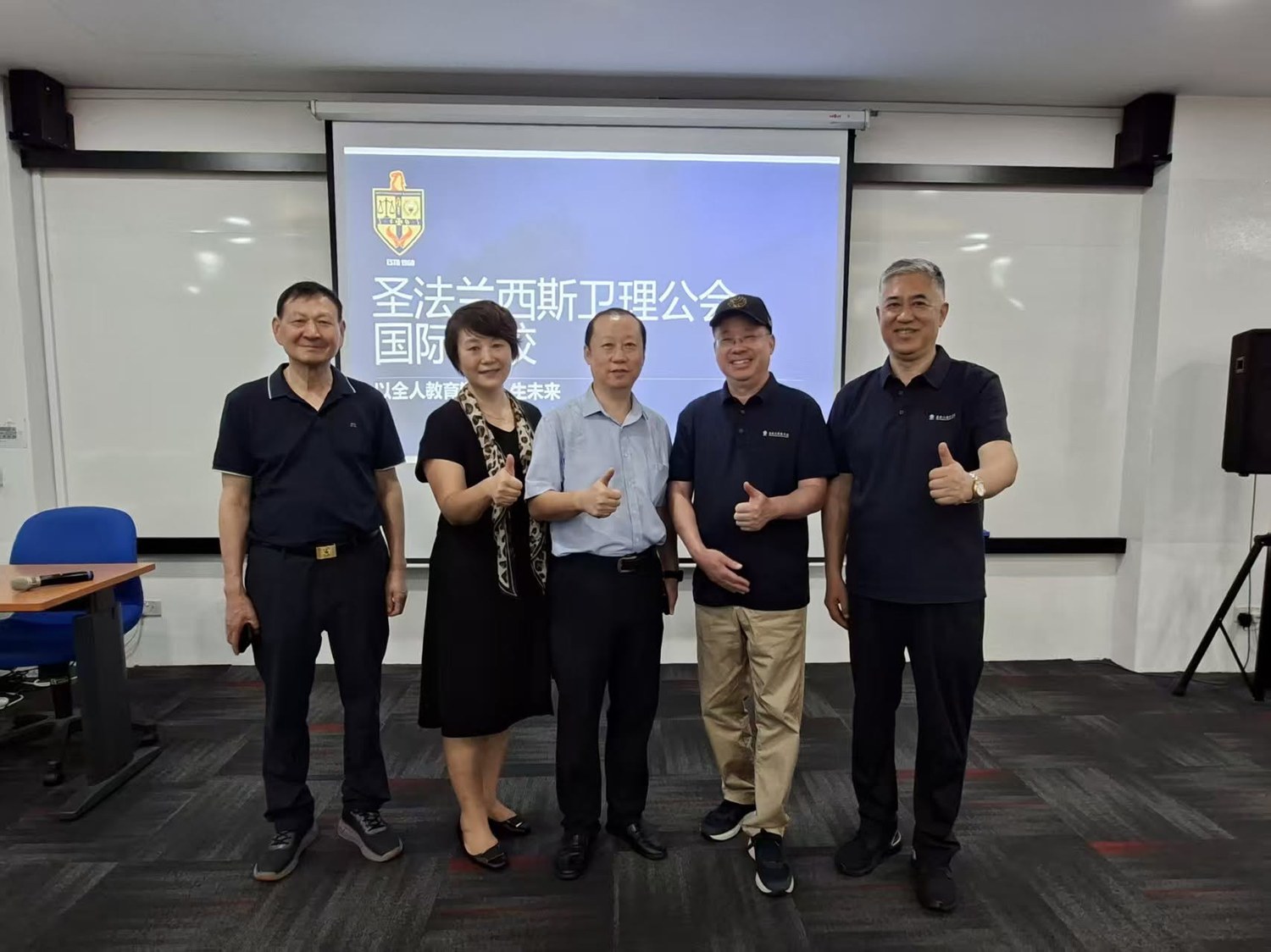
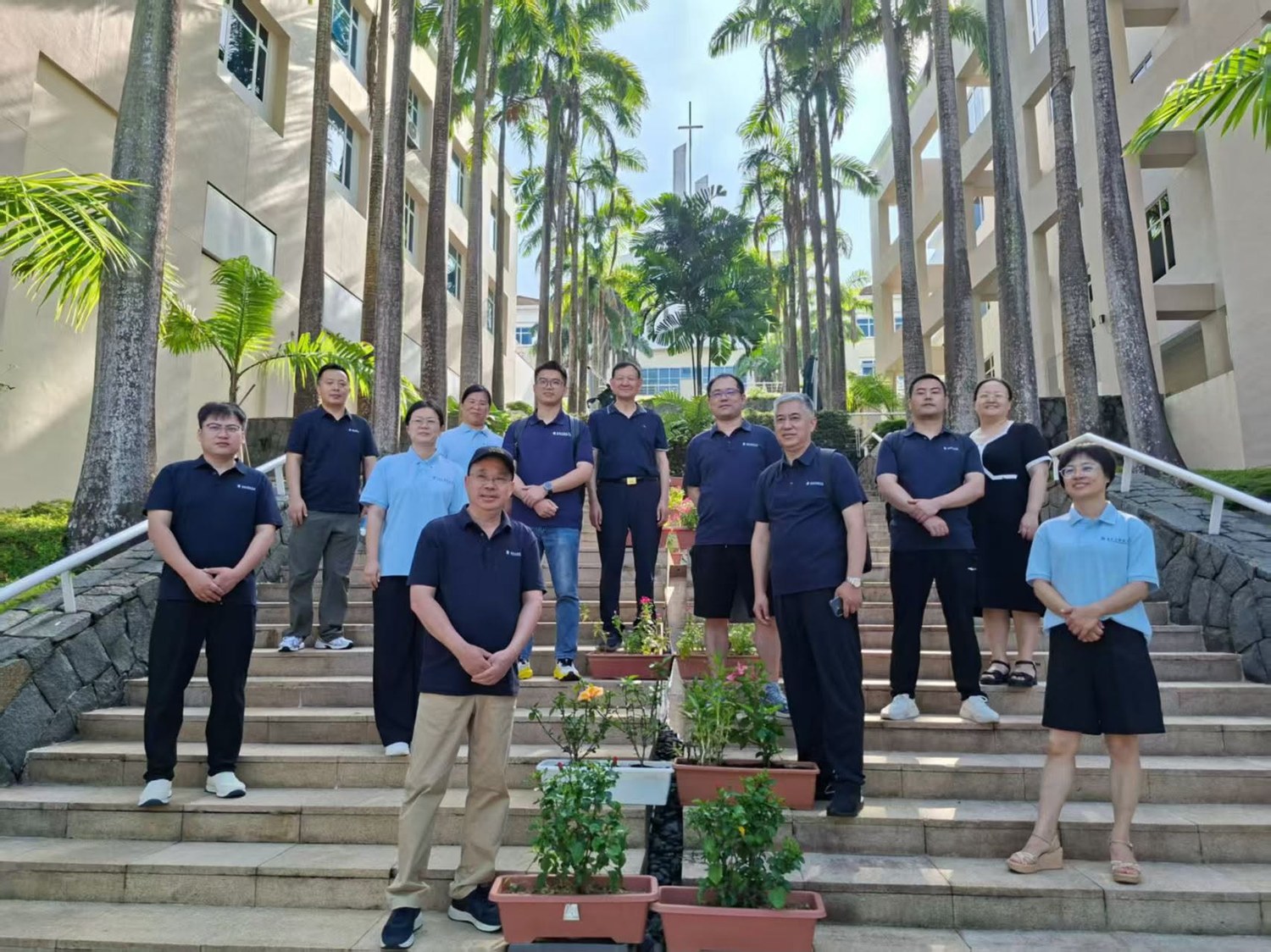
On the morning of 18 November, Secretary Xie Xiaonan led a delegation to St Francis Methodist School in Singapore; the two sides discussed international curriculum systems and long-term cooperation, and SFMS authorised Wuxi Foreign Language School as a scholarship examination centre.
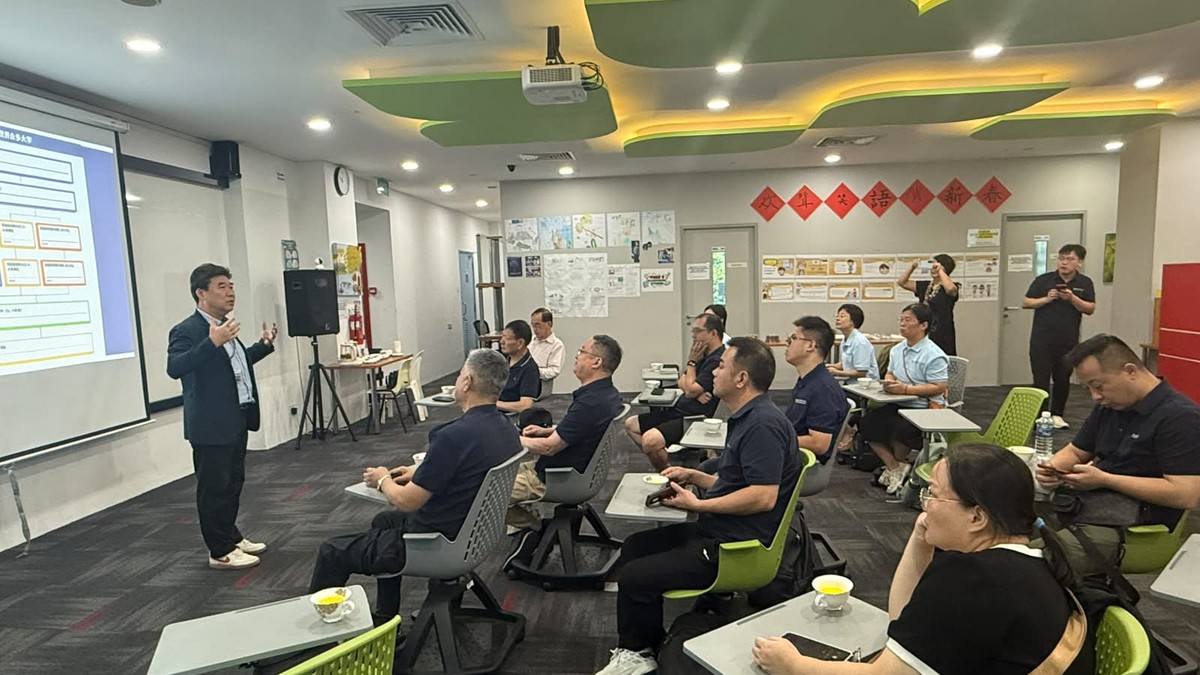
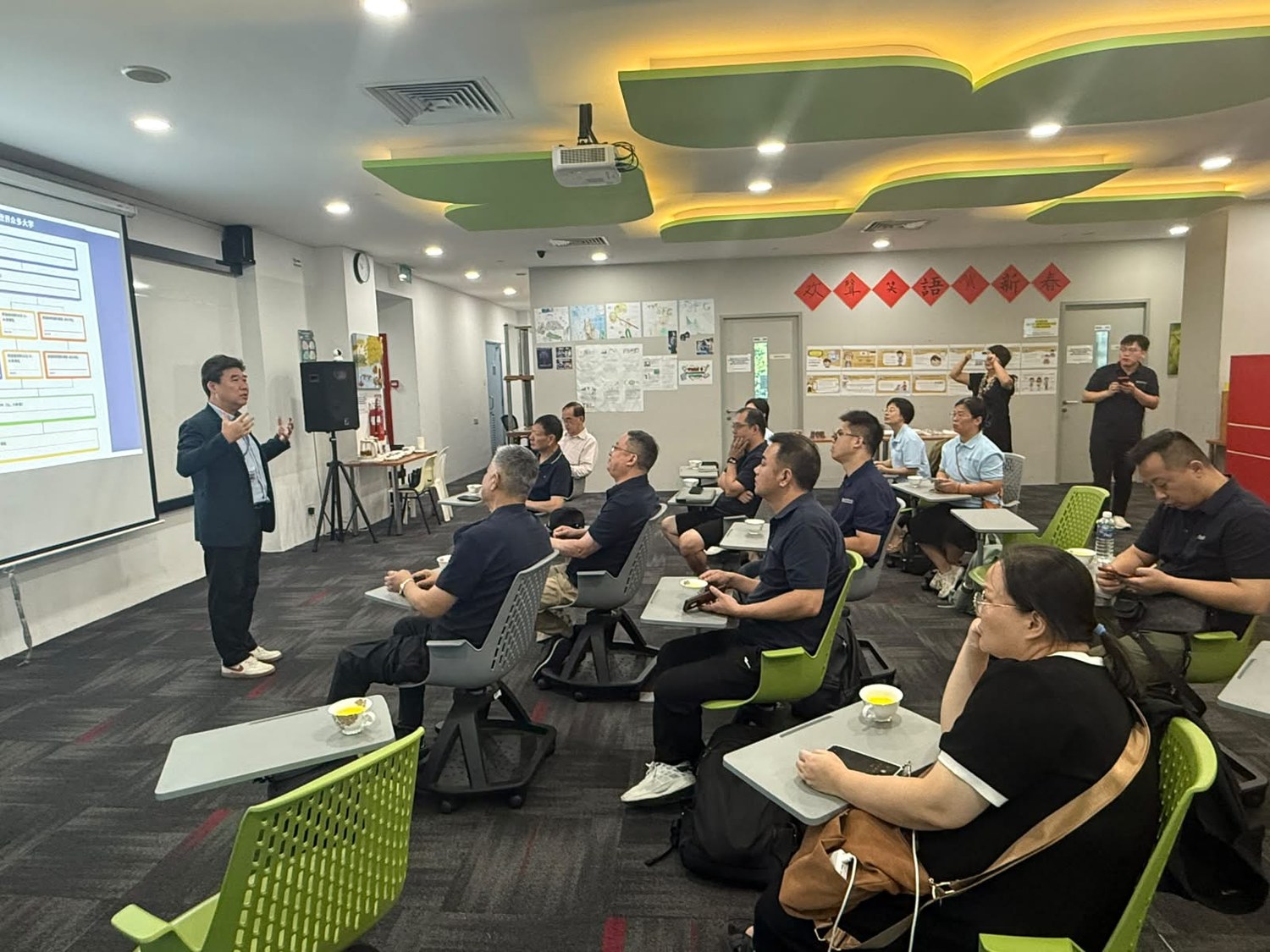
On the morning of 18 November, Secretary Xie Xiaonan of Wuxi Foreign Language School led the school's department heads onto the campus of St Francis Methodist School (SFMS) in Singapore. The agenda was stated plainly: see how an international curriculum system is built, and discuss where long-term student development can be complementary.
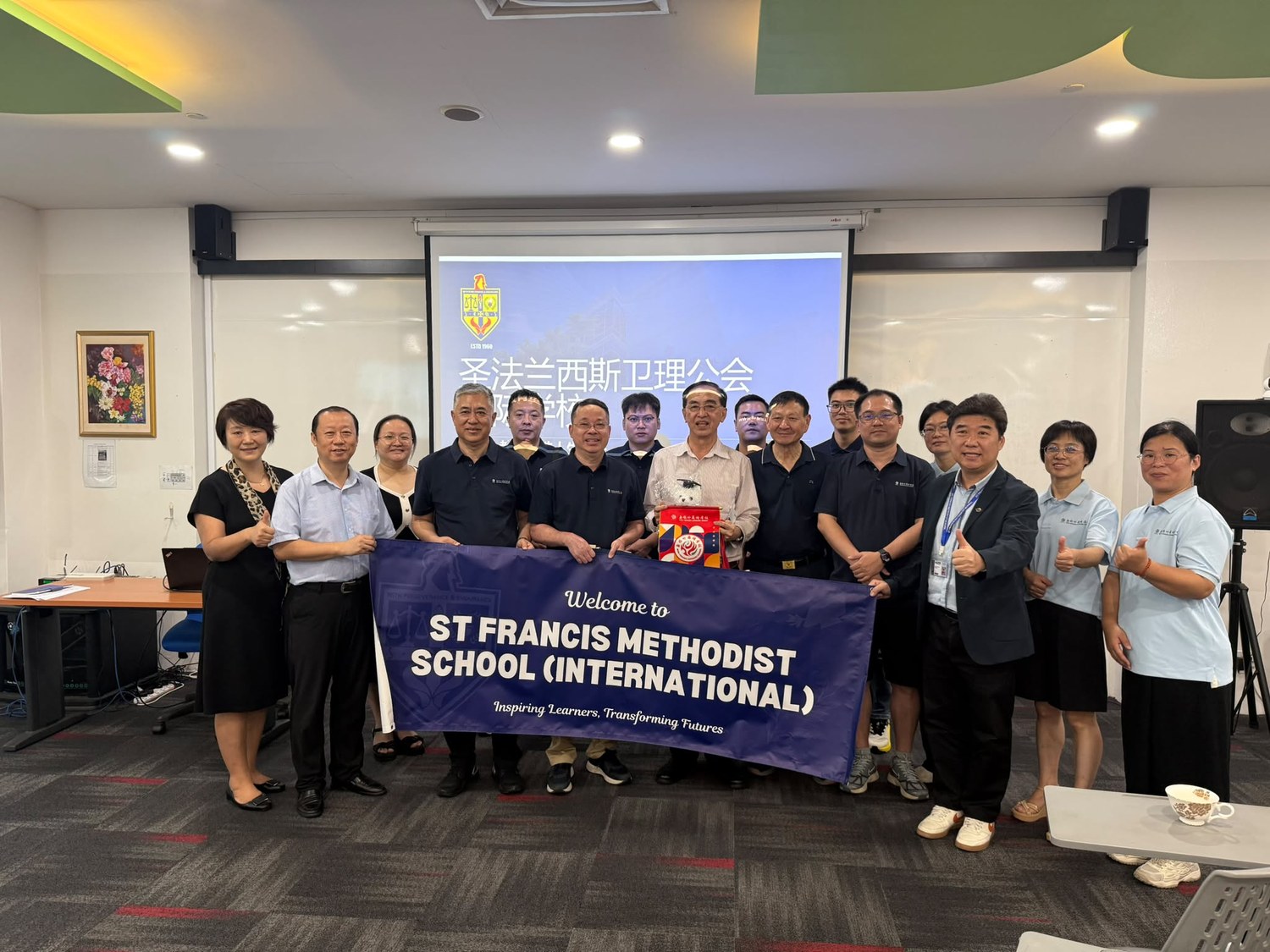
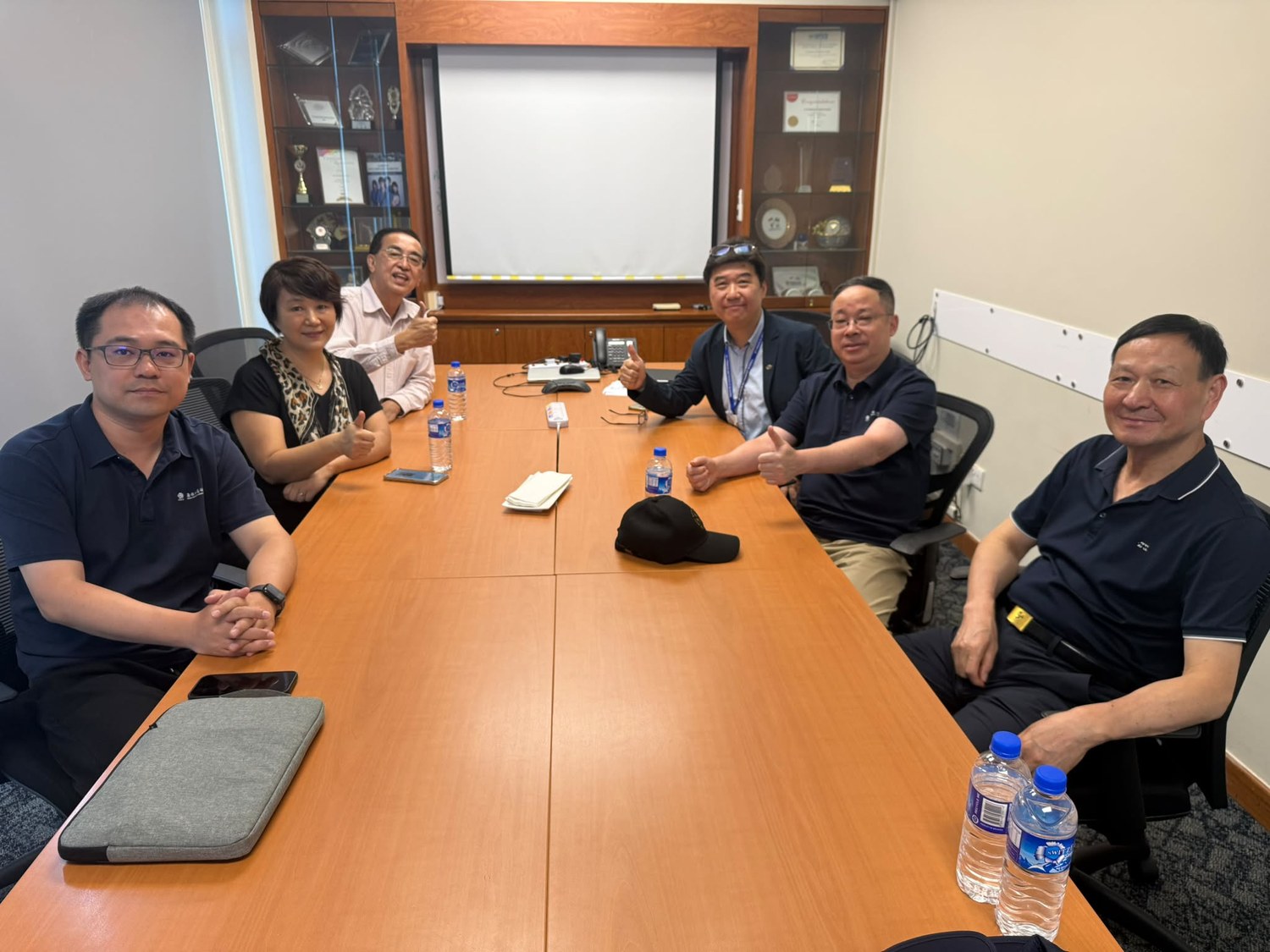
The principal took part personally. After the discussion, SFMS authorised Wuxi Foreign Language School as a scholarship examination centre — a sentence that sounds like a courtesy closing but is in fact concrete: students in Jiangsu can now sit the examination locally instead of flying to Singapore for a written test.
1. St Francis first: a school that grew from 27 girls
In January 1960 Mrs Harriet T. Doraisamy founded St Francis Girls' School on St Francis Road with 27 students. The reason was plain: parents came asking her to prepare their daughters for the Cambridge examinations. The school carried that gene — preparing for an examination — from the start, and later turned it into a system.
1995 was the turn. The Methodist Church in Singapore took over; the school became St Francis Methodist School, moved to Mount Sophia, went co-educational, and introduced GCE O Level, N Level and London O Level courses — from a girls' school to a school organised around examinations.
In 1998 came a Language Centre dedicated to building international students' English. That step mattered: the school stopped serving only local families and began taking students who arrive from elsewhere without sufficient English — which is exactly who makes up most of its student body today.
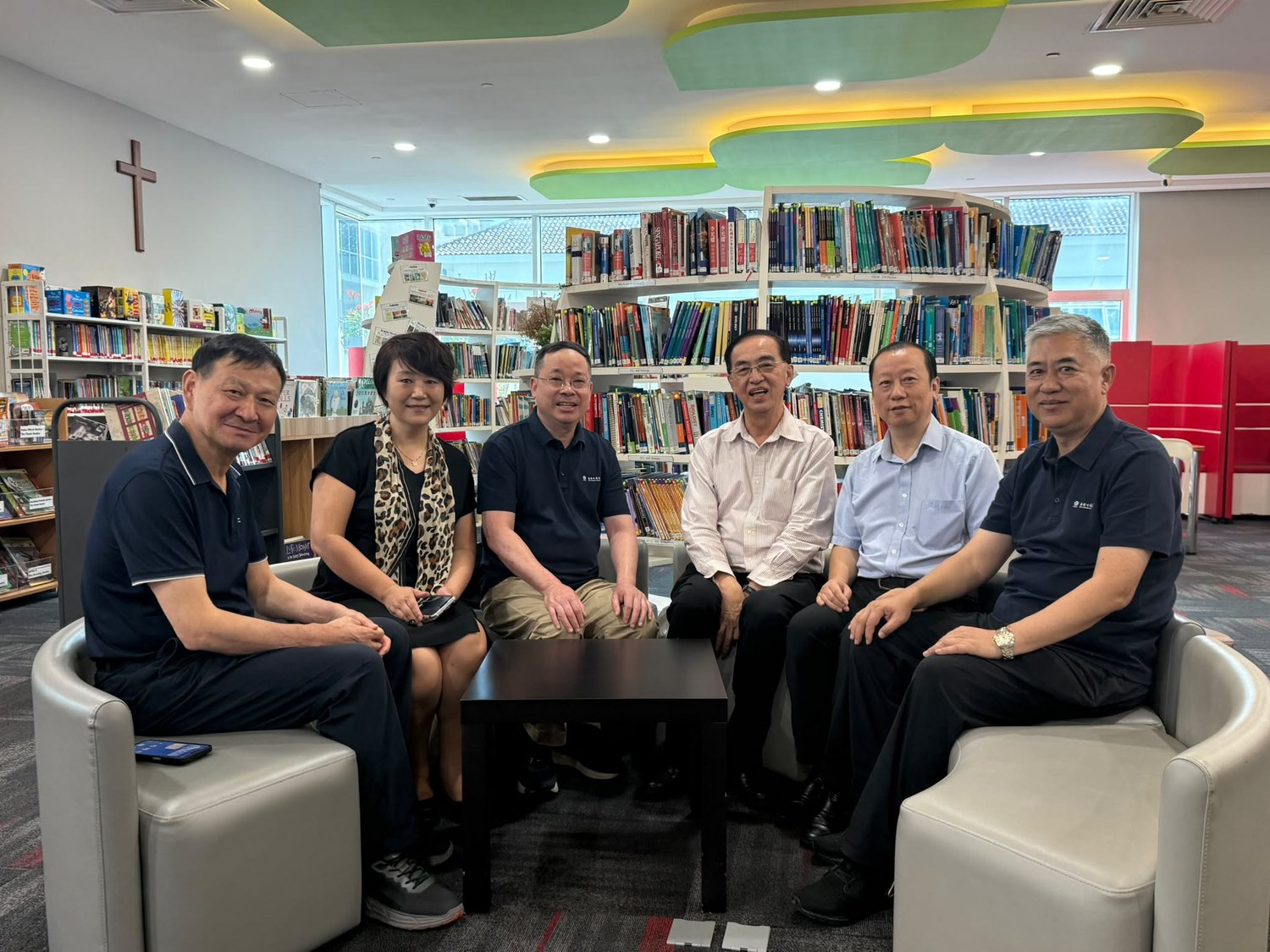
In 2001 it moved to 492 Upper Bukit Timah Road, adding the Western Australian Certificate of Education (WACE), the St Francis Baccalaureate and a BTEC Higher National Diploma in Business — one examination route became several. In 2003 it was among the first seven private institutions awarded SQC-PEO, and it later obtained EduTrust certification.
Today the structure runs primary, secondary and senior high: primary builds language and study habits, secondary follows the Cambridge route including IGCSE, senior high offers pre-university paths such as the IBDP. The three-stage shape is not novel, but it connects — wherever a student enters, the school knows what to shore up next. That is the difference between a system and a timetable.
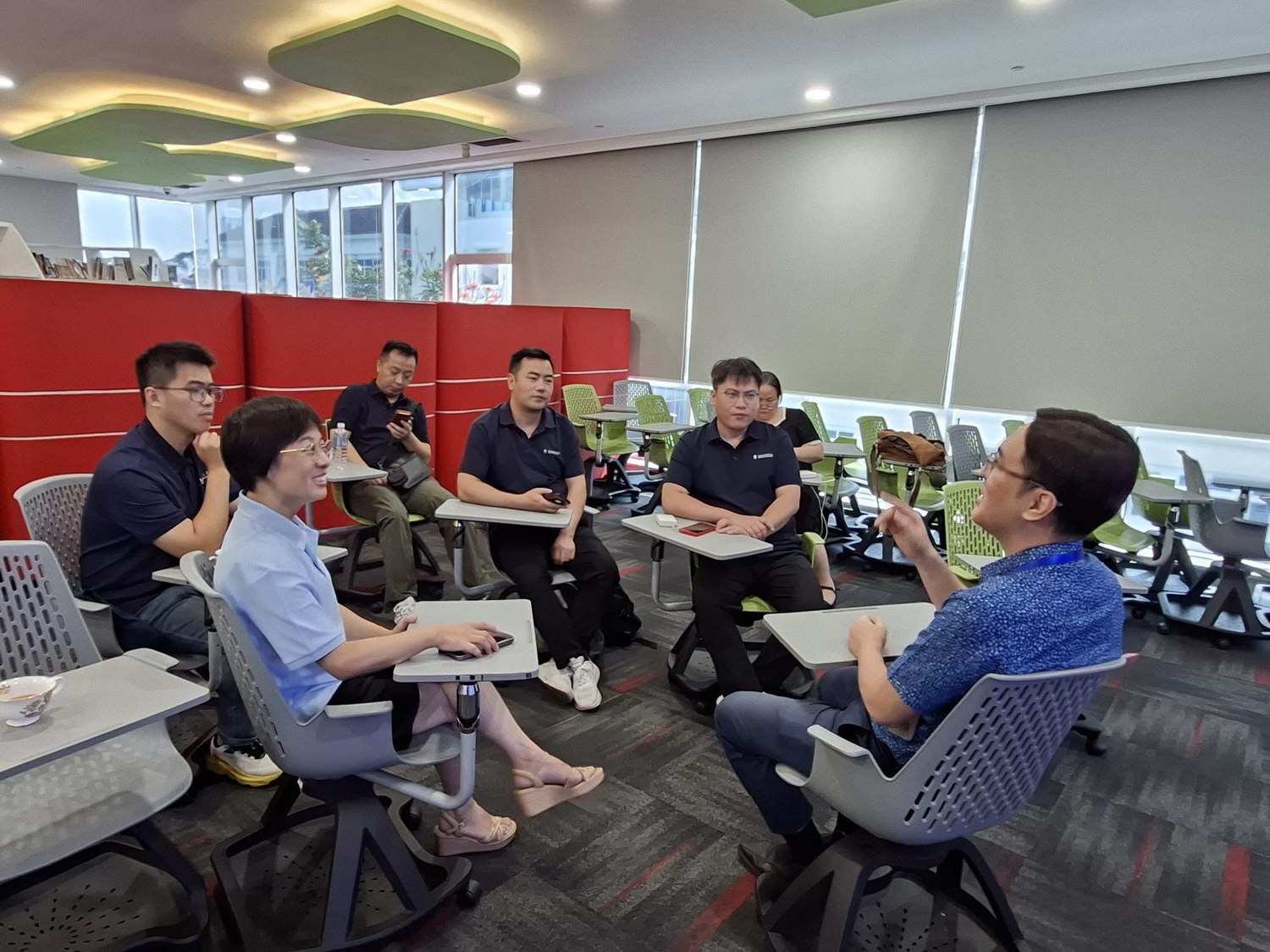
2. Wuxi Foreign Language School: twenty-eight years, and the step in 2008
Wuxi Foreign Language School was founded in 1998 by Wuxi No.1 High School under the “publicly owned, privately run” model — common in those years: use a strong public school's teachers and reputation to run a school with admissions autonomy. It covers kindergarten through senior high, with an international curriculum centre alongside.
In 2008 it was restructured: fully separated from Wuxi No.1 and turned wholly private, run by a board with a principal-executive system. Not unique in Jiangsu's private education, but it shaped the school's character: with no public parent body underneath, admissions, teachers and curriculum all have to be earned.
The legal identity deserves clarity: the school is a non-profit private non-enterprise unit — tuition flows back into teaching and cannot be distributed — while the sponsoring investor, Wuxi Ivy Education Investment, is a for-profit company earning from property leasing and support services. Two layers: when signing and paying, parents should know which entity they face.
The main campus is at 1 Xifeng Road in Wuxi's economic development zone, with Wuqiao and Xinwu campuses and Yixing Changqing Foreign Language School. In governance, Xie Xiaonan is chairman and party secretary while Li Li is principal — one on strategy and capital, one on teaching and admissions, a clean split for a private school.
3. Where the two systems complement each other
Singapore's strength is not simply “good English”. Three specifics: tiered language support, so a student short of English is handled; fluency in international assessment, knowing how IGCSE and IBDP are marked and what belongs in which year; and university guidance as a routine, not a scramble in the final year.
China's strength is not “hard-working students” either. It is the density of subject training, how teaching-research groups operate, and the experience of differentiation at scale — how to stream several hundred students in one year group without abandoning the lower end. Singapore's private schools are small and practise this less.
So the complementarity is not politeness. Wuxi's students need a workable language and assessment pathway; SFMS needs a steady supply of students with subject foundations; and teachers on both sides need to see how the other teaches — not open lessons, ordinary ones.
4. What a scholarship examination centre means
Let it be clear: authorising an examination centre means authorising the hosting and administration of the test, not admission. Students still go through SFMS's assessment, and visas are still decided under Singapore law. Reading it as a guarantee of passing or a guaranteed place is a misreading.
The practical gains are three. Cost: one less return trip, saving airfare and lodging beyond the test fee. Condition: sitting the paper in a familiar room is closer to a child's true level than in a strange city. Continuity: what follows the test — how to read the score, whether language support is needed, when to apply — can be explained once, locally, instead of by email across time zones.
One point rarely said: a centre in Wuxi also calibrates the local international programme. Whether teaching matches international assessment standards shows up in one real sitting, more directly than several staff meetings.
To read this authorisation properly, one needs to know that Singapore's schools run on several tracks. Government schools mainly serve citizens and permanent residents; international students usually sit a central test such as AEIS, with places depending on vacancies. Private and international schools are another track: they admit on their own terms but are regulated under the Private Education Act — an institution enrolling international students must hold EduTrust certification. St Francis sits on that second track, which is why it can discuss examinations and student pipelines directly with an overseas school.
Three questions parents ask most, and how we usually answer. Is it worth it: first measure how far a child's English is from classroom demands — beyond one or two years, build language before discussing curriculum, or the money goes and confidence goes with it. Can my child get in: the scholarship examination tests academics and language, places are limited, and nobody can guarantee it. Where does it lead: whether senior high runs the IBDP or another pre-university route changes which universities are realistically open. Until those three are answered, any “partnership” stays on paper.
5. Next steps, and where we stand
The specifics — date of the first sitting, registration, places, fees, whether a language bridging course comes with it — await both sides' announcement. What can be confirmed now is three things: the delegation came, the principal met them, the authorisation was given. Other numbers we will not announce on anyone's behalf.
Cedar's place here is the bridge: introductions, schedules and interpreting, paperwork, and after the centre opens, administration and questions. We do not make admissions decisions for the school, nor decide for a family whether this path suits their child — that is a decision made together.
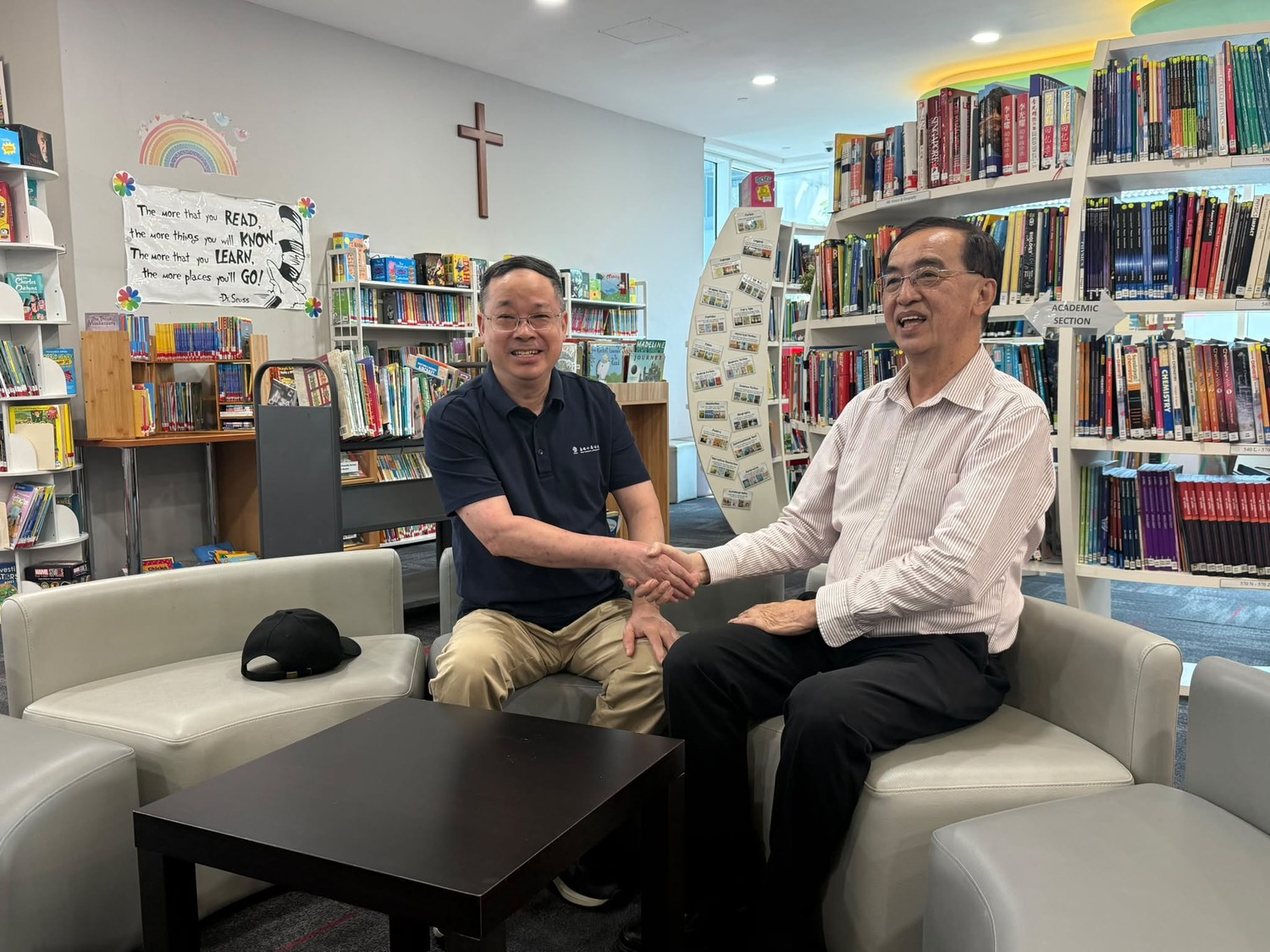
What was discussed over those hours on the morning of the 18th was mostly curriculum structure, year-to-year articulation, language support — none of it photogenic. But the weight of a school partnership usually sits exactly there.
Want to know about the scholarship exam and admissions?
WhatsApp +65 8134 8593 — we will tell you what is known, and say so when it is not.