Education · School visit
One school visits, one hosts
On 18 November, Wuxi Foreign Language School visits St Francis Methodist School in Singapore. Background on both schools, and what the visit is meant to settle.
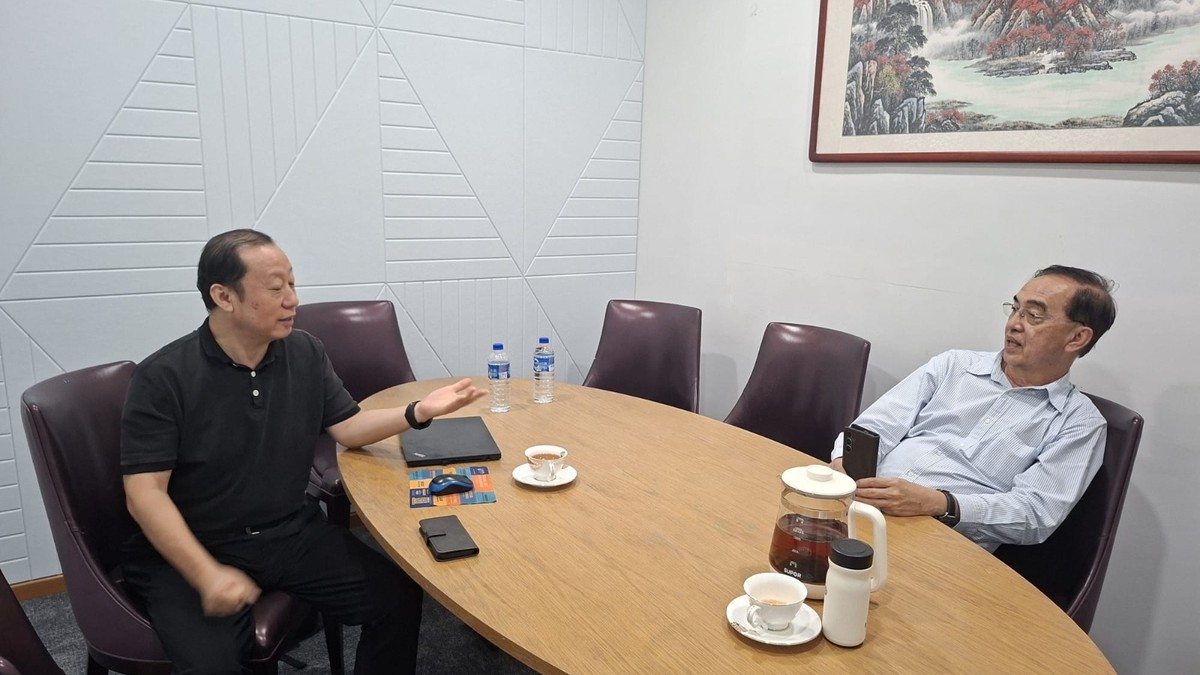
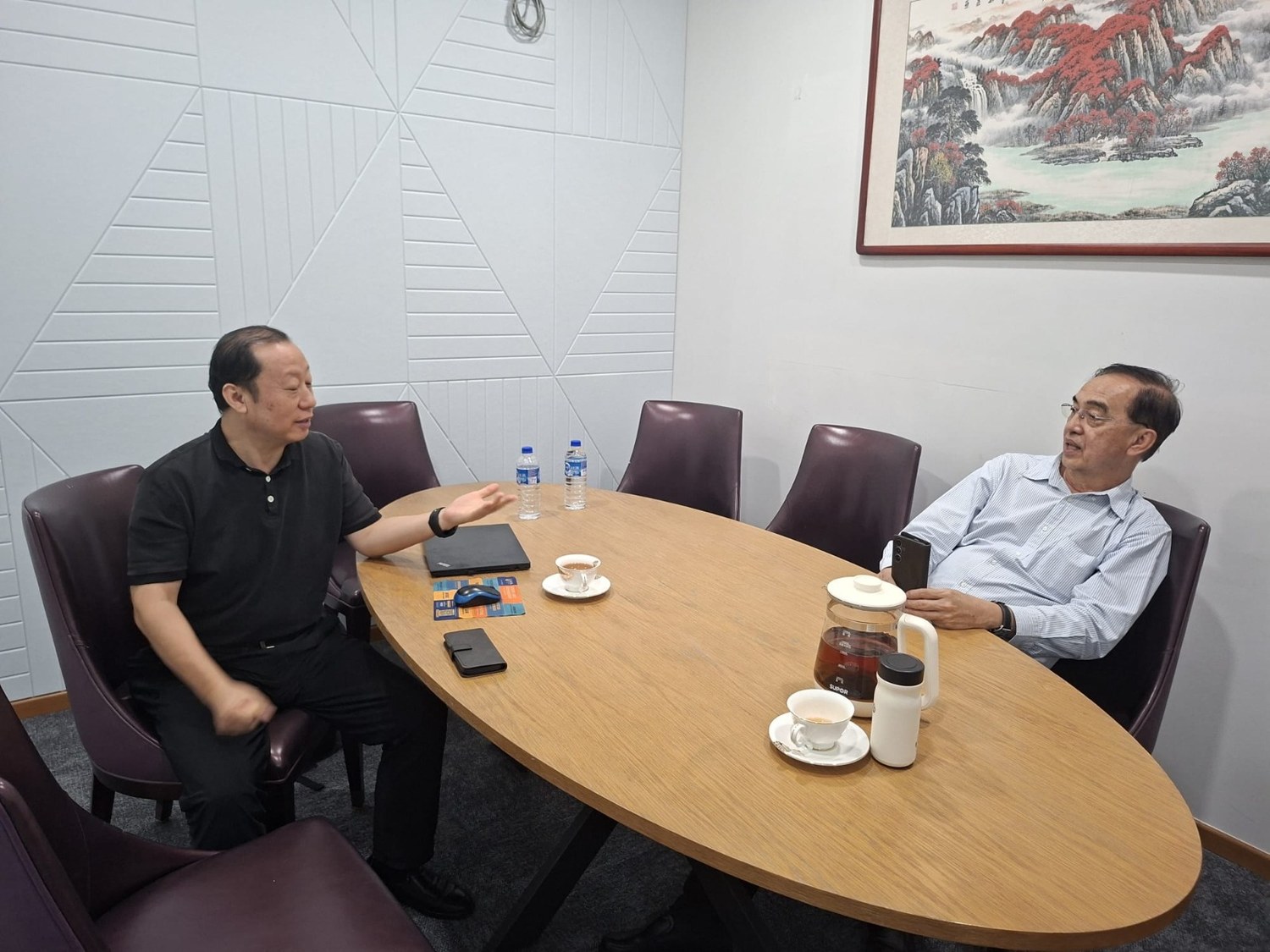
Over lunch on 17 November we sat down with Principal Lee again over the 18 November visit: who meets the group at the door, which lessons to observe first, when the teachers' discussion goes, who follows up afterwards. The teapot on the table went cold twice and we still had not finished.
School visits easily become ceremonial: a tour, a group photo, a few words about future exchanges. The useful part is the unglamorous detail — do students ask questions in class, how much homework, how teachers mark, from which year university guidance begins. That has to be seen in classrooms, not heard in a meeting room.
1. St Francis: it began with 27 girls
St Francis Methodist School (SFMS) was founded in January 1960 by Mrs Harriet T. Doraisamy as St Francis Girls' School on St Francis Road, with 27 students. The reason was plain: parents had come to her asking that their daughters be prepared for the Cambridge examinations.
1995 was the turning point: the Methodist Church in Singapore took over, the school became St Francis Methodist School, moved to Mount Sophia, turned co-educational and introduced GCE O and N Level and London O Level courses. A Language Centre followed in 1998 to build international students' English — a step that shaped its later identity as a school serving mainly international students.
In 2001 it moved to its present campus at 492 Upper Bukit Timah Road, adding the Western Australian Certificate of Education (WACE), the St Francis Baccalaureate and a BTEC Higher National Diploma in Business. In 2003 it was among the first seven private institutions awarded the SQC-PEO quality class. Today it runs primary, secondary and senior high programmes, the senior years through international routes such as the IBDP, and holds EduTrust certification.
2. Wuxi Foreign Language School: the 2008 separation
Wuxi Foreign Language School was founded in 1998 by Wuxi No.1 High School under the “publicly owned, privately run” model, covering kindergarten, primary, junior high and senior high, with an international curriculum centre alongside. In 2008 it was restructured, fully separated from Wuxi No.1 and turned into a wholly private school under a board-led, principal-executive system.
Its legal identity is worth spelling out: the school itself is a non-profit private non-enterprise unit — tuition can only flow back into teaching, not be distributed as profit — while the sponsoring investor, Wuxi Ivy Education Investment, is a for-profit company earning from property leasing and support services. Keeping the two layers apart is what stops parents from treating the company as the school when they sign and pay.
A domestic exam core with international programmes as wings is the common positioning for such schools — and the common failure: wanting both, deepening neither. We have seen too many schools with handsome international timetables, assembled teachers and a single university counsellor. Three things are enough to judge a school.
3. Four things the 18 November visit should settle
First, classroom observation. Real lessons, not rehearsed open classes; the proportion of students who ask questions, and how a teacher handles a wrong answer.
Second, a teachers' discussion. How subject research is done, how work is marked, how students are assessed. This session is usually ten times more useful than the campus tour.
Third, the feasibility of student exchange. Short-term immersion, holiday camps, language thresholds — which can start now and which must wait.
Fourth, a follow-up mechanism. Who is the contact, how often to review, how to measure results. Without this, a visit ends in the photo album.
4. What we do in between
Cedar works as the bridge between schools in China and Singapore: helping Singapore schools find suitable students, and helping Chinese schools teach international programmes more solidly. For this visit that means schedules, interpreting, documents, hosting — and afterwards turning what both sides said into something executable.
The boundaries matter too: we do not make admissions decisions for schools, do not promise visa outcomes, and do not grade either side's teaching for them. A bridge lets people cross; it does not walk for them.
We will write about the outcome of 18 November once both sides agree. For now one thing is certain: both schools are willing to sit down and finish the details.
Would your school like a real exchange?
WhatsApp +65 8134 8593 — curriculum first, itinerary second.