Company News · 2 Oct 2026
A Visit to Tan Tock Seng Hospital: How Singapore’s Public Healthcare Works
A hospital visit, and a note on how Singapore pays for public healthcare — how subsidies, MediSave, MediShield Life and MediFund share the bill.
How a hospital bill is paid in Singapore
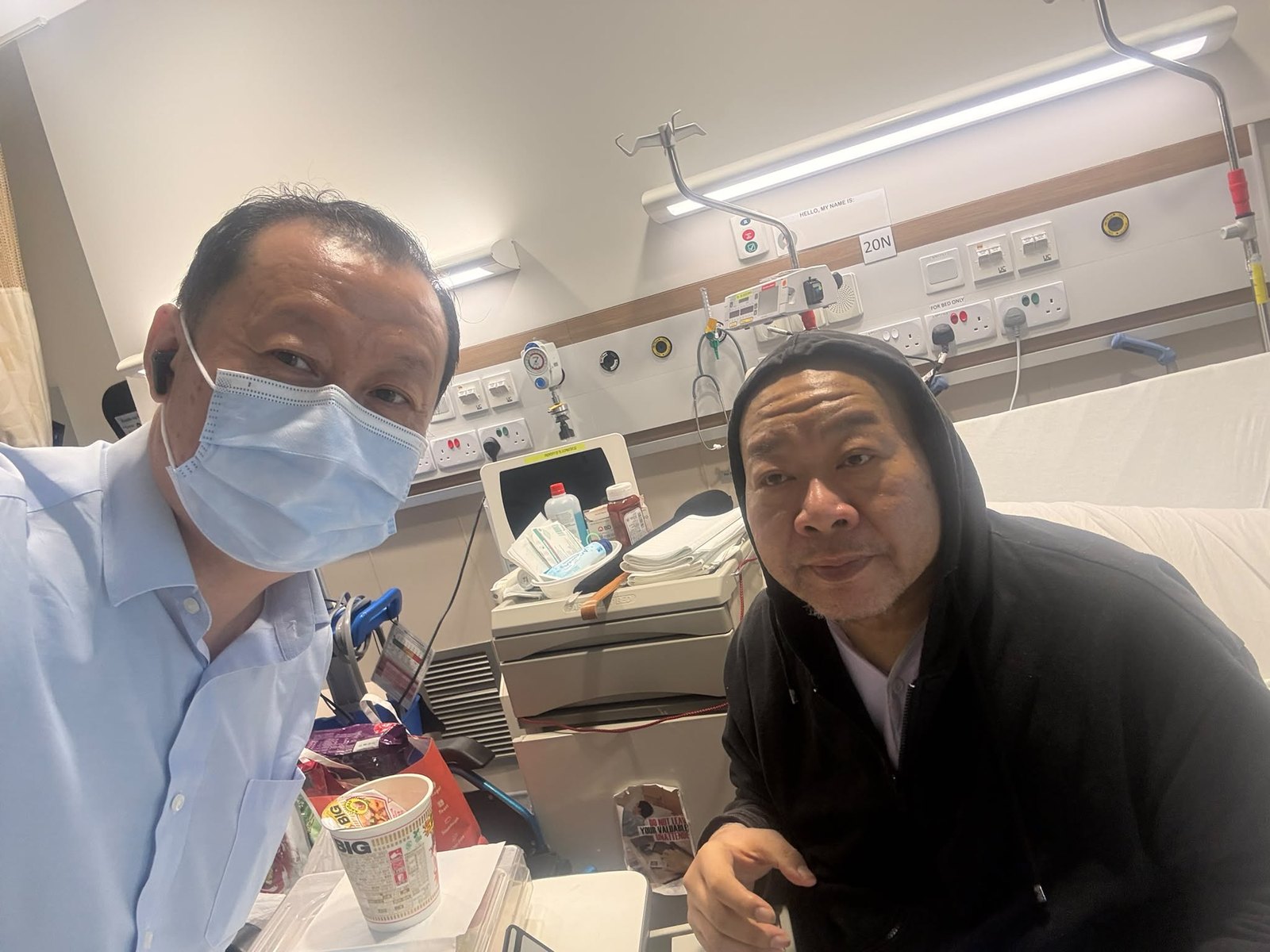
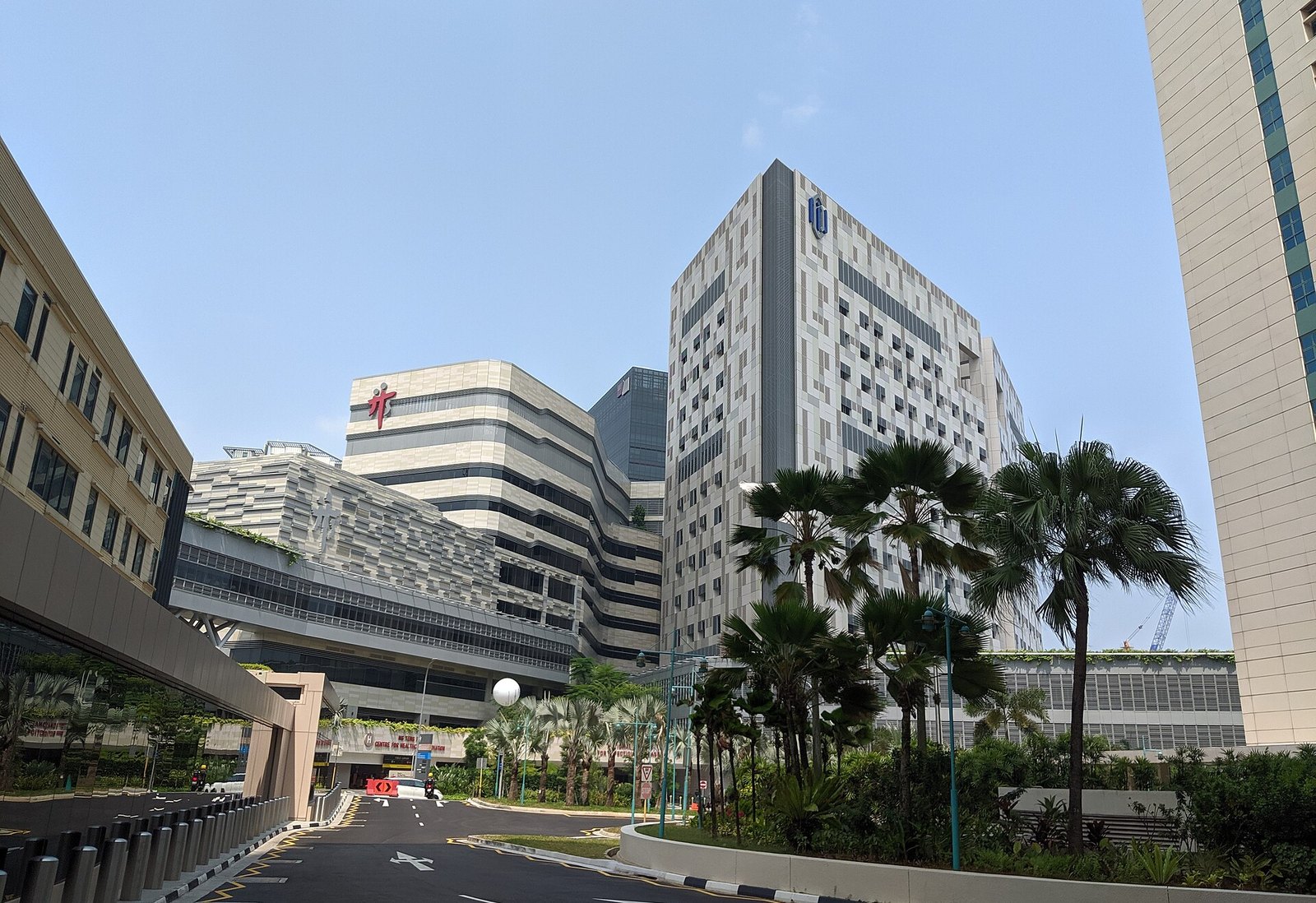
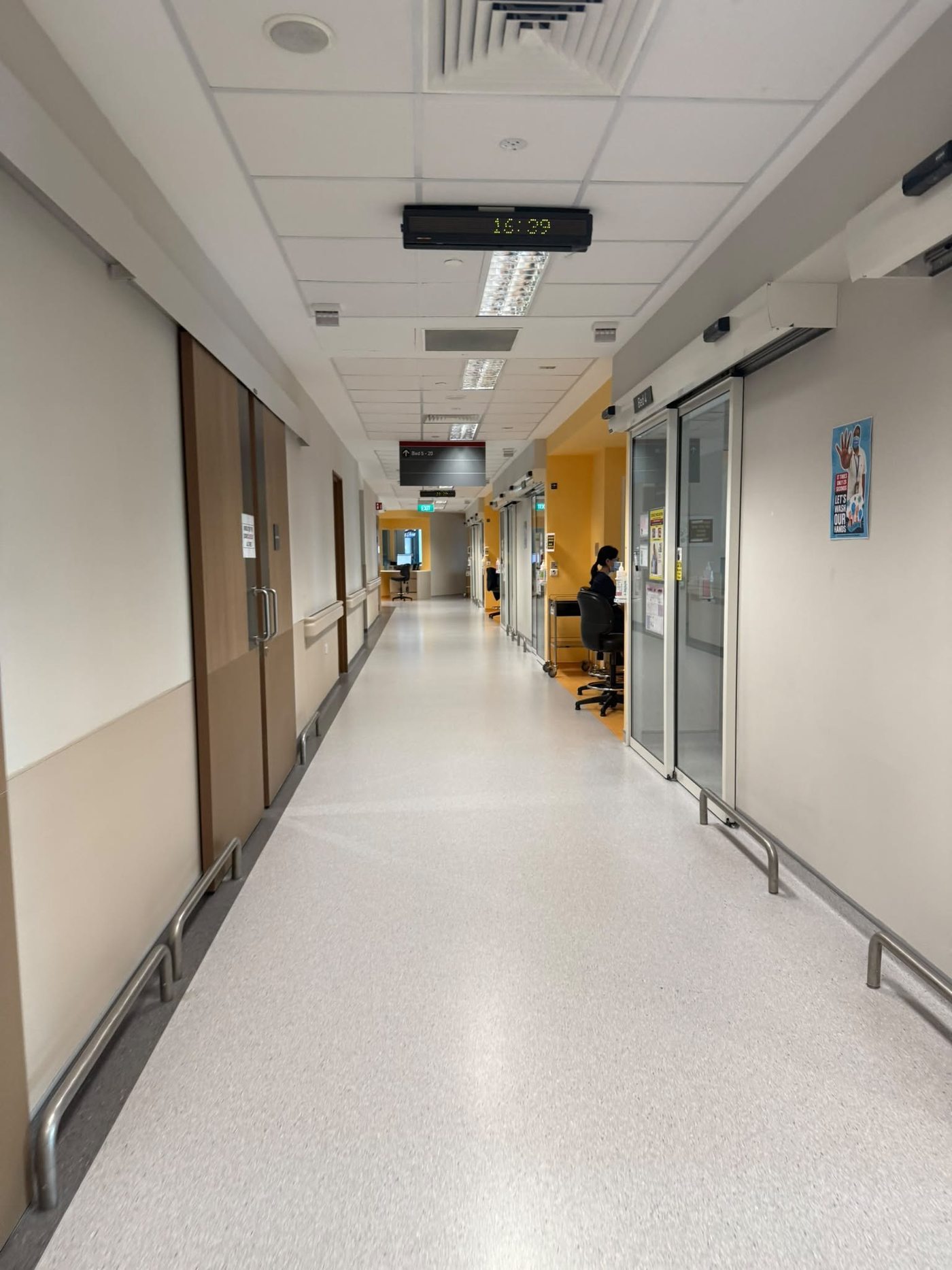
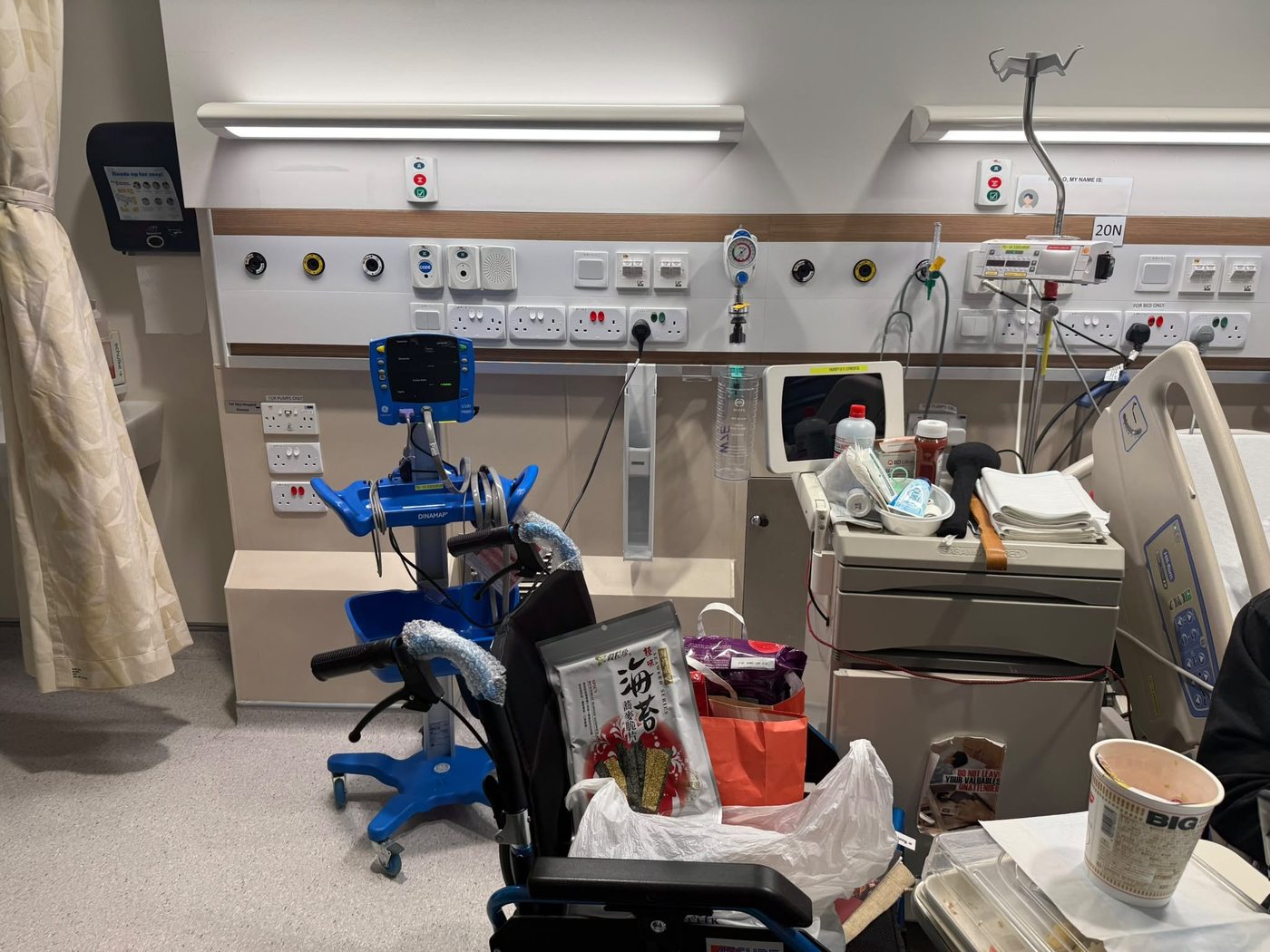
Today we visited our friend Mr Lin, who is hospitalised at Tan Tock Seng Hospital (TTSH). Located in Novena, TTSH is an anchor hospital of NHG Health and one of Singapore’s largest multidisciplinary public hospitals.
Beyond the visit, we took the opportunity to look into how Singapore’s public healthcare is organised and paid for. The financing framework is often called “S+3Ms”: government Subsidies, MediSave (medical savings), MediShield Life (lifelong basic health insurance) and MediFund (the safety net). Subsidies depend on the patient’s financial situation; MediShield Life covers citizens and permanent residents for life; MediFund steps in when subsidies, insurance and savings are still not enough.
For a hospital stay, what you pay comes down to two things: household income per capita (which sets the subsidy) and the ward class you choose. Public hospital wards run from Class C (open ward, typically eight beds) up to Class A (single room, private-hospital style). Class C carries the highest subsidy — MOH’s own example puts subsidies for a Class C bill at up to about 80% — while the higher classes mean a larger share paid by the patient.
Non-residents (foreigners) are charged unsubsidised rates at public hospitals and cannot use MediSave or MediShield Life, although emergency department fees do not differ by nationality. For families bringing children to study in Singapore, or planning to settle here, this is worth planning for early: citizens and permanent residents can take up an Integrated Shield Plan, while non-residents need their own international or commercial medical insurance.
A hospital bill is itemised — bed charges, doctor’s fees, medication, investigations and procedures — with the subsidy applied first, then insurance and savings. Because the tiers are clear, public hospitals can direct resources first to the most urgent cases.
One visit is short, but the idea behind the system is worth writing down: not “free healthcare”, but government, insurance and the individual sharing the cost — so that nobody is left untreated because they cannot pay. If your family or company would like to understand healthcare and education arrangements for living and studying in Singapore, contact us through the website and we can go through it with you.
Sources: Singapore Ministry of Health, “Managing medical bills” (moh.gov.sg/managing-expenses) and public-hospital ward-class and charging information. Actual subsidy levels, ward charges and insurance rules follow the latest MOH and hospital publications. In-article NCID exterior photo: TheGreatSG'rean / Wikimedia Commons, CC BY-SA 4.0.
Planning to study or live in Singapore?
Healthcare, education, homestay and long-term planning — we can go through it with you.