Industry watch · Singapore manufacturing
'The chip in your phone may well be made in Singapore': the city-state's semiconductor industry in numbers | Singapore Global International
10% of global chip output, 20% of chipmaking equipment, S$160.2 billion in 2025 — the real size of the cluster and its latest investments.
The chip in your phone may well be made in Singapore
'The chip in your phone may well have been made in Singapore.' That is not an exaggeration. According to Singapore's Economic Development Board (EDB), this city-state of roughly 730 square kilometres produces about 10 per cent of the world's semiconductors — and about 20 per cent of the world's semiconductor manufacturing equipment. In 2025 Singapore's semiconductor output reached S$160.2 billion, up 17.1 per cent year on year. Here are the numbers, the latest investments, and the reasons behind them.
1. The key numbers
- Share of global semiconductor output: about 10% (EDB)
- Share of global wafer fabrication capacity: about 5%
- Share of global semiconductor equipment production: about 20%
- 2025 semiconductor output: S$160.2 billion, +17.1% year on year
- Semiconductors as a share of Singapore's GDP: about 7%
- Manufacturing as a share of GDP: 18.5% (2025)
- 2025 total manufacturing output S$479.1 billion (+11.5%); value added S$132.8 billion (+13.9%)
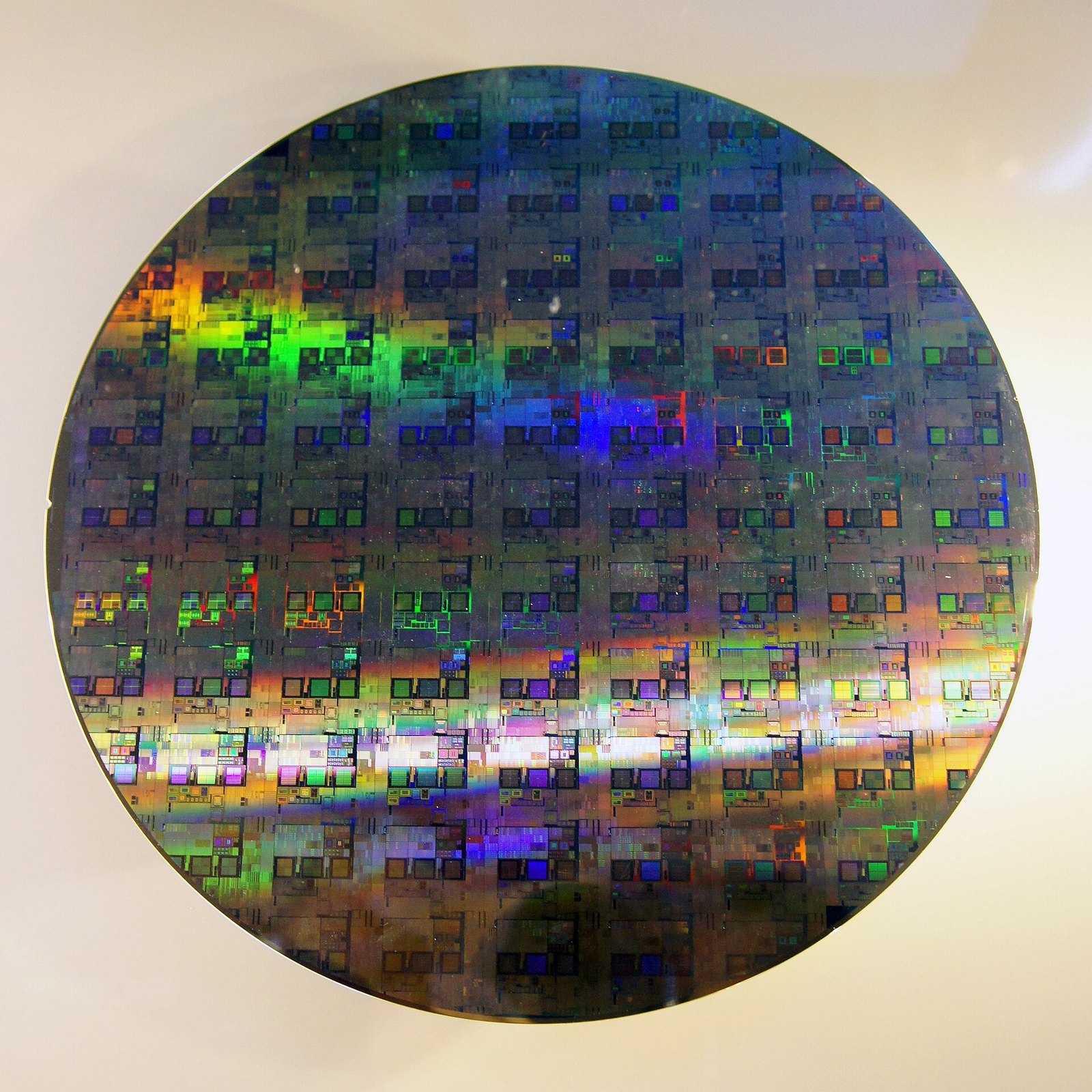
2. Not just contract manufacturing — a whole chain
Singapore's position is not a single niche but a full cluster: design, wafer fabrication, packaging and testing, plus equipment and materials, with more than 300 related companies. Micron, GlobalFoundries, UMC, STMicroelectronics, Siltronic and Soitec all run operations here. That is also why equipment accounts for about 20 per cent of the global total — the country exports not only chips but the machines that make them.
3. Micron's two groundbreakings: US$24 billion and 3,000 jobs
On 8 January 2025 Micron broke ground on a High-Bandwidth Memory (HBM) advanced packaging facility in Singapore — the first of its kind in the country — due to begin operations in 2026, with meaningful expansion of advanced packaging capacity from 2027 and about 1,400 jobs. A year later, on 27 January 2026, Micron broke ground on an advanced wafer fab inside its existing NAND campus: about US$24 billion, wafer output scheduled for the second half of 2028, and more than double its local flash capacity. Together the two projects are expected to add about 3,000 Micron jobs in Singapore.
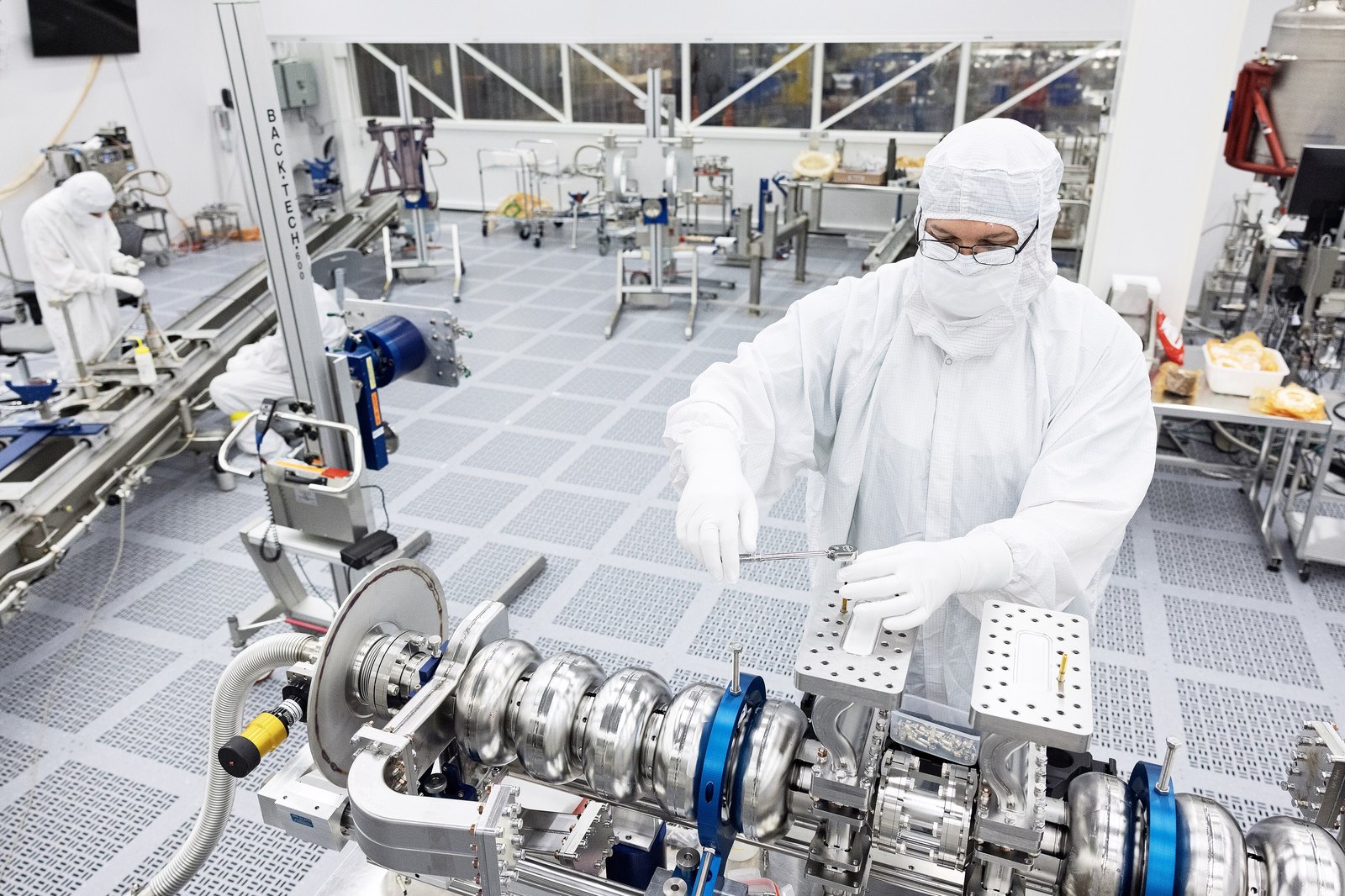
4. AI demand is rewriting the city's manufacturing
The backdrop is AI. In 2025 Singapore's total manufacturing output grew 11.5 per cent, with electronics the main driver; in the fourth quarter the industrial production index rose 19 per cent year on year, with the biomedical cluster up 46 per cent in the quarter. Full-year GDP growth was 4.8 per cent, and 5.7 per cent in the fourth quarter. In short, chips and pharmaceuticals carried this small economy's growth.
5. Why Singapore
Concentration of the industry, a complete supply chain, a steady pool of engineers and technicians, and long-consistent policy — plus a Southeast Asian hub position with good sea and air links — those are the old answers. The new variable is geopolitics: as global supply chains are reallocated, few places can serve customers on several sides at once while offering stable rule of law and IP protection. Singapore is one of them.
6. What it means for parents and students
This supply chain maps onto concrete career paths: process and equipment engineers in a wafer fab, packaging and test, precision engineering, supply chain and quality management. Micron alone plans about 3,000 new roles, and local universities and polytechnics keep expanding the relevant programmes. It is one of the routes parents ask us about most when planning study paths — which programme leads to which job, and what background it takes, is something we can discuss concretely.
Sources: Singapore Economic Development Board (EDB) industry pages and 'Performance 2025' manufacturing statistics; EDB, 'The chips aren't down'; Micron Technology ground-breaking announcements of 8 January 2025 (HBM advanced packaging) and 27 January 2026 (advanced wafer fab); Singapore Ministry of Trade and Industry (MTI) GDP release for Q4 and full-year 2025 (2 January 2026); Monetary Authority of Singapore, Macroeconomic Review, January 2026. Compiled and written by Singapore Global International; figures follow the latest official releases.
Video source: the topic was raised by 'Sun Jin in Singapore' (孙金在新加坡) on WeChat Channels on 16 October 2026, in a video titled 'The chip in your phone may well be made in Singapore'. This article is our own research and fact-checking; no frames or copy from that video are reproduced. Original video: https://weixin.qq.com/sph/ADBsMHaOsg

Curious which programmes and jobs this supply chain leads to?
From engineering and precision manufacturing to supply-chain management — contact us and we will map the programme choices and career paths together.