Education · Pathways
Singapore and Malaysia: where the two education systems actually differ
An afternoon in the Singapore office comparing two education systems: pathways, public versus private, hiring standards and jobs.
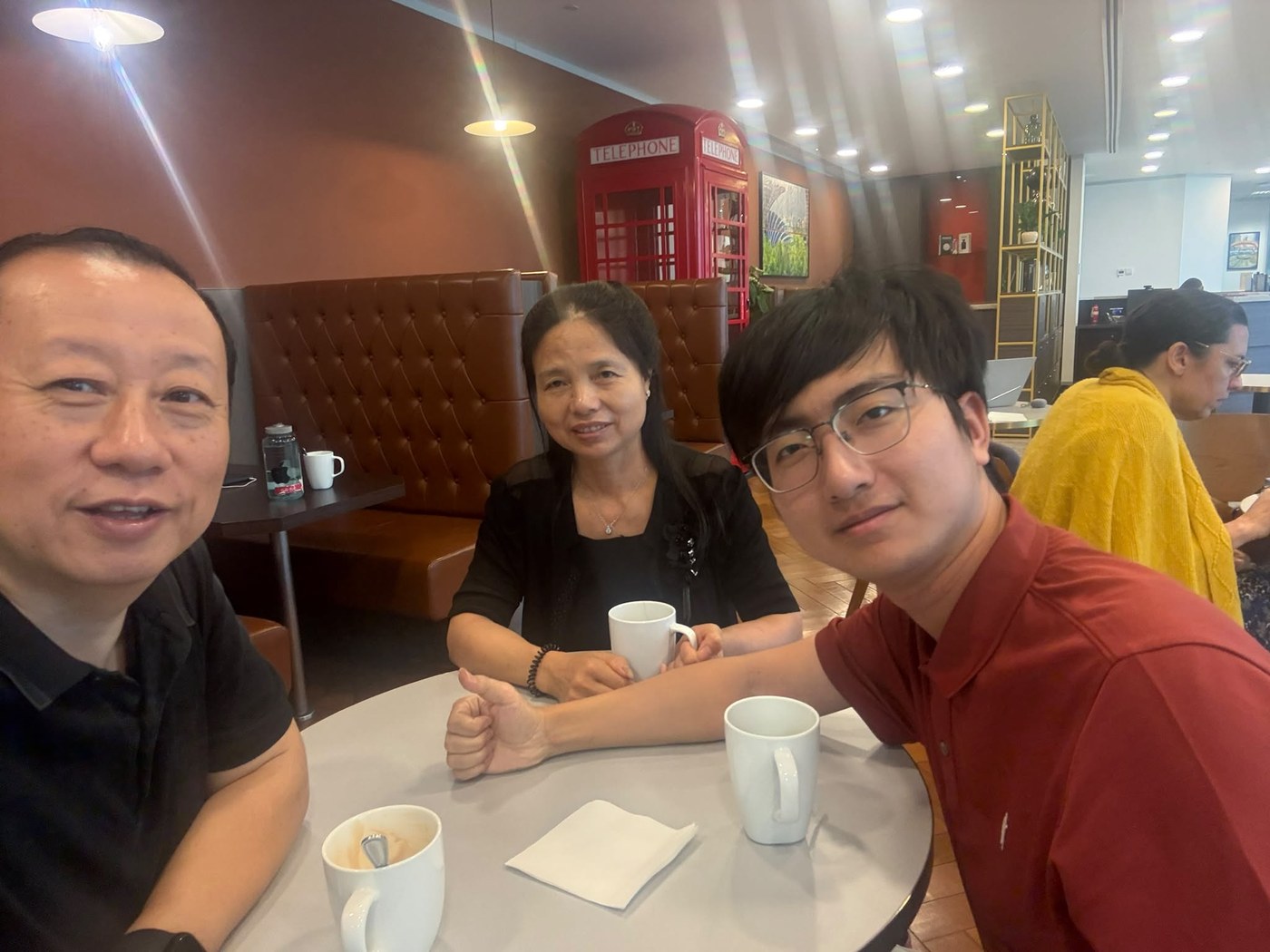
One afternoon in the Singapore office, Song En and I laid two education systems on the table. He studied and worked in Singapore, and has looked at schools in Malaysia too. By the end, the question was not which system is better, but which path fits which child.
Two paths, split early
Singapore streams early. After the PSLE, students enter different streams; at Secondary 4 they sit the O-Levels, then move to a junior college, a polytechnic or ITE. A polytechnic diploma takes three years and leads either to work or, with good results, to university. The system separates the academic from the applied — but both can climb.
Malaysia splits later, and more widely. After SPM, students can take STPM, matriculation, a diploma, or a foundation year at a private university. Entry to public universities rests mainly on STPM and matriculation results; the UEC certificate from Chinese independent schools still cannot be used directly to apply to public universities, so those students usually go through private universities, foreign branch campuses or STPM.
Public and private: channels, not tiers
Singapore has six autonomous universities. Public degrees carry weight, tuition is subsidised for citizens and charged in full to international students. Private universities mostly partner with UK, US and Australian institutions — SIM, Kaplan, PSB, MDIS — and there are foreign branch campuses such as Curtin Singapore and JCU Singapore. Private is not a lower tier; the entry bar differs and the route is more flexible: diplomas articulate into foreign degrees, often in less time.
Malaysia's structure is similar but cheaper. There are around twenty public universities — UM, UKM, UPM, USM and UTM are the names most often heard — and private institutions such as Taylor's and Sunway, plus the Malaysian campuses of Monash and Nottingham, charge far less than the same universities do in the UK or Australia. For budget-conscious families, this is a practical route.
One difference is often overlooked: language. In Singapore, classes, assignments and interviews run almost entirely in English, with Mandarin as the language of daily life; Malaysian public universities teach mainly in Malay, while private and branch campuses use English. A child's English often decides how smooth the first year feels.
Hiring: one asks what you can do, one asks what you hold
Singapore's logic is blunt: can you do the job now? Hiring a foreign employee means clearing an employment pass, with a salary threshold and evidence that locals were fairly considered. A degree opens the door, but the interview asks what you have built and whether you can deliver alone. That is why polytechnic graduates often land offers earlier than some degree holders.
Malaysia weighs the level of qualification and the name of the institution more heavily, and starting salaries diverge more. For the same job, a public university graduate, a foreign branch-campus graduate and a private college graduate can start on quite different pay. The market is smaller and jobs cluster in Kuala Lumpur and Penang; many eventually go to Singapore to work — Malaysia's long-running brain drain.
Time is a cost too. A Singapore polytechnic takes three years and a private degree two to three; a Malaysian public degree takes four years, a private one three. Graduating a year earlier means starting work — and repaying fees — a year earlier. That arithmetic matters more than the tuition line.
The ceiling on work
Singapore's market is small but dense: finance, logistics, semiconductors and professional services all hire. The salary ceiling is high, and so is the cost of living. Malaysia's market is larger but well-paid roles are fewer; costs are lower, which suits building a base before moving out.
Three things for parents
First, look at how your child learns, not only at rankings. Second, count the total cost, not one year's tuition — living costs in Singapore often run two to three times those in Malaysia. Third, decide early where you want to work after graduation: a wrong school can be changed, a wrong pathway costs two extra years.
There is no single right answer in education, only a fit. If you want to talk through pathways, public or private, write to us.
Want to talk through your child's pathway?
We talk it through in Chinese, starting from grades, budget and goals. WhatsApp +65 8134 8593.