News · 28 Oct 2026
Powerships plus floating data centres: Seatrium and Karpowership plan a maritime energy base
95% imported gas, peak demand heading to 11.4 GW by 2031 — Singapore pushes both power and compute out to sea
One memorandum, four kinds of offshore solution
On 27 October, at Singapore International Energy Week (SIEW 2026), offshore and marine player Seatrium and global floating-power company Karpowership signed a memorandum of understanding: the two plan a joint venture to develop rapidly deployable floating power and digital infrastructure in Singapore, with possible expansion across South-east Asia. The signing was witnessed by Dr Tan See Leng.
1. What is in the memorandum
What they intend to build is an integrated platform spanning infrastructure development, financing, engineering, construction and operations, targeting four categories: powerships, floating data centres, turbine-based or hybrid vessels, and floating nuclear solutions.
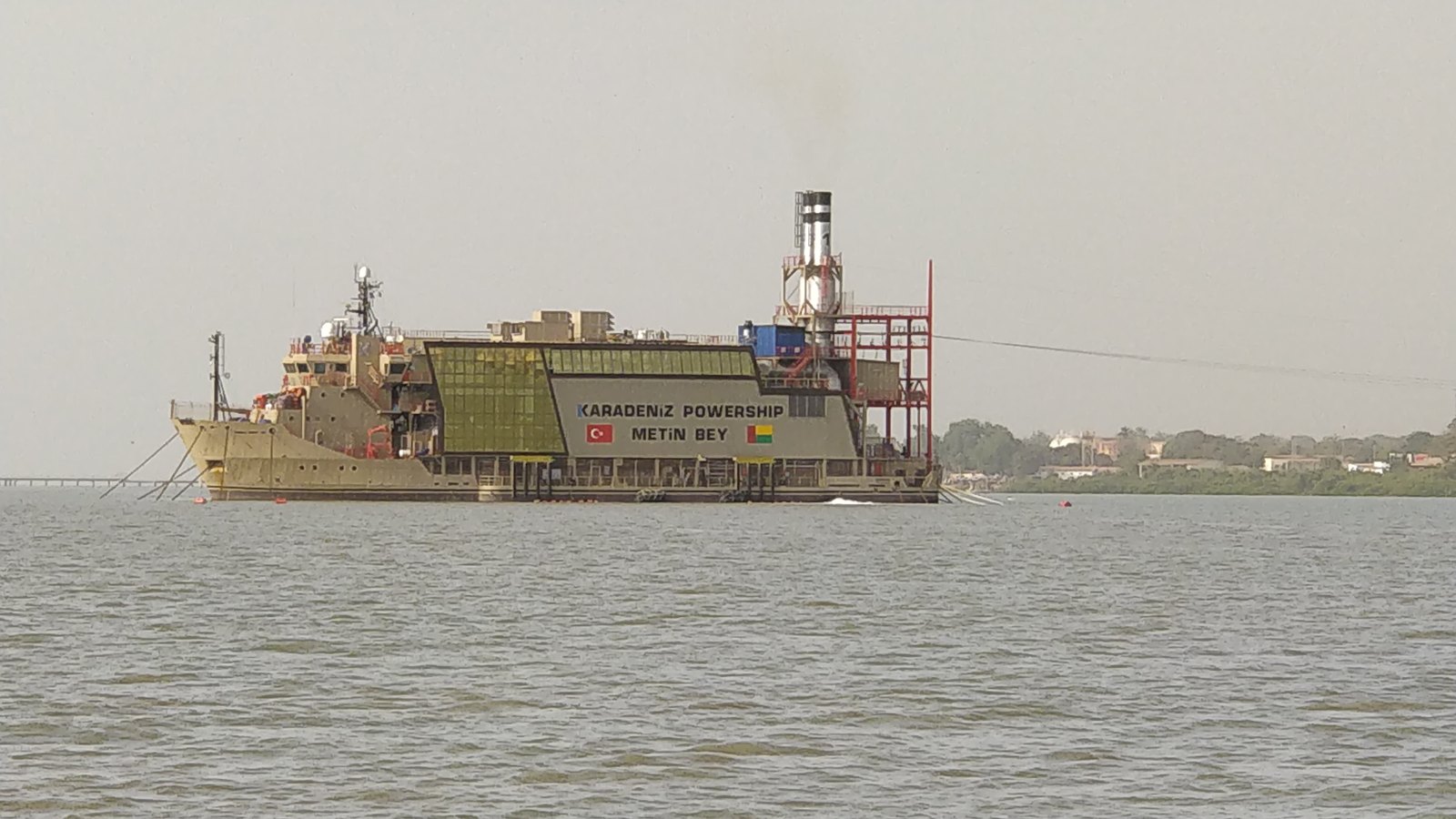
Both bring clear credentials. Karpowership owns and operates the world's only fleet of powerships — 45 vessels — plus 12 floating LNG assets; Seatrium has delivered seven FSRU conversions to it since 2018, with the eighth and ninth contracted this year, and in October won a contract for hydrogen-ready third-generation “Whale Class” powerships.
2. Why now: three numbers
- About 95% of Singapore's electricity still comes from imported natural gas (EMA)
- Peak electricity demand is expected to grow 2.4%–4.8% a year, reaching 11.4 GW by 2031 — driven by electrification, semiconductor manufacturing and data centres
- 20% of ASEAN's added power demand over five years is expected to come from data centres (9th ASEAN Energy Outlook)
Put those three together and the logic is clear: more power, more diverse sources, and not enough land. An offshore platform solves three problems at once — it takes no land, it can be towed whole to wherever it is needed, and it can site a data centre next to the sea's cooling advantage.
3. Two lines are already moving
Floating data centres: Keppel's floating data centre broke ground in April this year at about 25 MW, due to go live in 2028, with a hyperscale customer already secured; Seatrium is separately pushing a 30 MW offshore data centre pilot whose design has been validated by Bureau Veritas.
Floating nuclear: this one is still at the study stage. In January, data centre operator Equinix funded a study by Singapore think-tank CSER into nuclear technologies, including floating plants; EMA and NEA have set up a nuclear task force, and NEA called a tender in late April for a one-year nuclear safety study. Singapore has not decided whether to deploy nuclear power.
4. My take
First, this is not a technology story but a space story. Singapore's compute bottleneck stopped being chips long ago; it is power and land. Moving generation and data centres offshore is essentially trading sea for land, and “towable” for “waitable” — grid expansion takes seven years; a powership deploys in months.
Second, a memorandum is not a project. An MoU is a framework; the joint venture still has to be negotiated and approved, and floating nuclear does not even have a regulatory path laid out. There is only one metric worth tracking: when does the first vessel actually connect to Singapore's grid with server load on board? Until then this is a direction worth watching, not a fact you can put in a plan.
Source note: based on the Seatrium–Karpowership joint release, The Straits Times and EMA public data; no video footage reproduced, image licensed Wikimedia Commons. Original video: https://weixin.qq.com/sph/AK1i4W0Ro0
Following Singapore's energy and compute build-out?
Data centres, energy and cross-border infrastructure — we keep tracking, and are happy to compare notes.