Company News · 4 Oct 2026
Talking with NTU students: how AI Agents are used in business, study and healthcare
From business processes to study to healthcare: the same AI Agent meets different limits in each field.
One tool, three settings
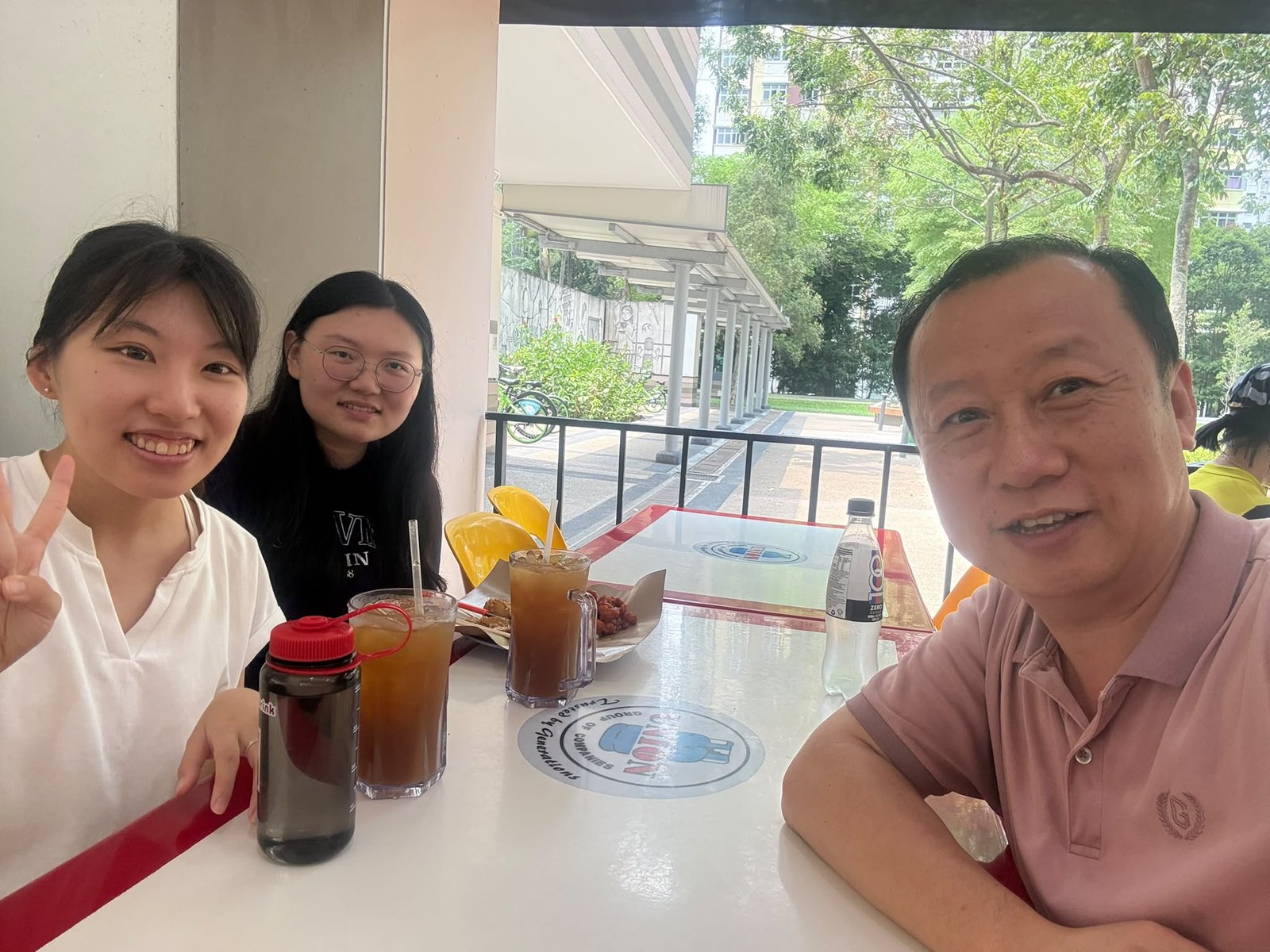
Today we sat down over coffee with two students from Nanyang Technological University (NTU): one researching AI in medicine, one studying for a master’s in fintech. Starting from each field, the conversation landed on one question — what can an AI Agent actually do for us?
Business: most of the discussion was about the “AI digital employee” idea — handing repetitive, rule-based work (customer replies, organising documents, content scheduling, follow-up reminders) to an agent while people keep judgement, decisions and relationships. We agreed on the order of work: define the process first, then pick the tool, otherwise you have only automated the mess.
Study: agents can help students search literature, organise outlines, translate and summarise, and run mock Q&A; but both students stressed that a tool cannot replace understanding — what matters is the course content itself and the teacher’s guidance. That matches what we say in our AI education courses: hands-on cases, so that learners can run the tools themselves.
Healthcare: our medical-side friend shared how AI is used in literature search, imaging assistance, and organising case and follow-up data — and where the limits sit: data privacy, traceability, and the fact that the final judgement stays with the doctor. That resonates with how we build our own backend: sensitive records behind permissions, every action logged, AI only assisting.
That is the value of talking across fields: the same tool meets different limits in business, study and healthcare. We will fold what we learned into our courses and internal practice. If you are interested in putting AI Agents to work in your business, or in our AI education courses, contact us through the website.
Ready to put AI Agents to work in your business?
Our AI Agent course is a 2-day hands-on programme across four core modules; companies are welcome to discuss in-house adoption.